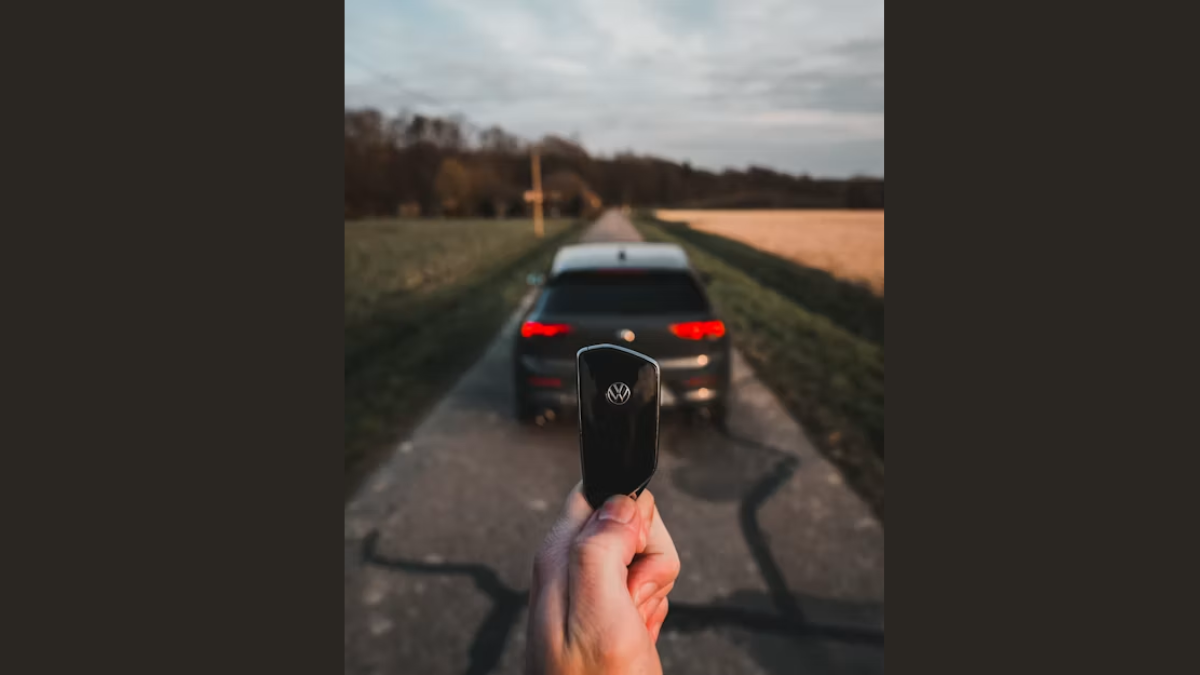
A car key that will not turn in the ignition can have several causes, from a simple steering lock bind to a worn key or failing ignition barrel. The important thing is not to force it. Excess pressure can snap the key, damage the ignition wafers or leave you needing a more expensive repair.
According to auto locksmith experts at LocksmithLocal, start with calm checks. Is the steering wheel under tension? Is the gear selector fully in park? Is the key bent or worn? Is the battery flat? Does a spare key work? The answers help separate a quick fix from a locksmith job.
Steering lock pressure
The most common harmless cause is steering lock pressure. If the front wheels are pressed against a kerb or the steering wheel was turned after switching off, the steering lock can bind against the ignition. The key then feels stuck even though nothing is broken.
Try this: gently turn the steering wheel left and right while applying light pressure to the key. Do not wrench the key. The wheel may move only slightly in one direction and feel solid in the other. Relieving that pressure can allow the key to turn. If it works, park with the wheels straight where possible to reduce repeat problems.
Gear selector and pedal interlocks
Automatic cars may refuse to release or turn the key unless the selector is fully in park. Move the selector firmly into park, press the brake and try again gently. Some vehicles also link key movement to battery voltage or electronic interlocks. If the dashboard is dead or flickering, a battery issue may be part of the problem.
Manual cars can have clutch interlocks, though these are more often linked to starting than key turning. Check the owner’s manual if the behaviour is unusual for your vehicle.
Worn or damaged key
A worn key can fail to lift the ignition wafers correctly. If the blade is bent, cracked, twisted or badly worn, stop using it. Try a spare key if you have one. If the spare turns smoothly, the everyday key is likely the issue and should be replaced before it snaps.
Do not file the key by guesswork. Vehicle keys are precise. Removing metal in the wrong place can make the problem worse. If the key shell is broken but the blade and chip are intact, a locksmith may be able to repair or replace the casing. If the blade is worn, a fresh key cut to code may be needed.
Ignition barrel wear
Ignition barrels wear over time, especially on vehicles with heavy keyrings. Extra weight swings while driving and puts stress on the barrel. Dust, worn wafers and old lubricant can also cause sticking. Symptoms include needing to jiggle the key, intermittent turning, a key that goes in but will not rotate, or a key that turns only at a particular angle.
If the ignition barrel is failing, continuing to force it may leave the key stuck or broken. A locksmith can assess whether the barrel can be repaired, rebuilt, decoded or replaced. In some cases, the mechanical ignition and electronic immobiliser are separate issues; the key must both turn and be recognised by the car.
Transponder and immobiliser confusion
A transponder fault usually lets the key turn but stops the engine from starting or causes it to start then cut out. However, drivers often describe any no-start issue as “the key will not work.” Watch the symptoms carefully. If the key turns normally and the dashboard lights come on, but the engine will not start, the issue may be immobiliser, battery, starter or fuel-related rather than the ignition barrel.
If a warning light flashes or the car displays “key not recognised,” mention that when calling for help. The solution may involve reprogramming, a new transponder, fob battery replacement or vehicle diagnostics.
Dirt, debris and wrong key
It sounds obvious, but check you are using the correct key. Many households have similar keys on one ring. Also check whether the key is contaminated with dirt, pocket lint or damage. Do not pour oil into the ignition. Heavy lubricants can attract dust and interfere with delicate wafers or electronics.
If something has broken off inside the ignition, do not push another key in. A specialist extractor may be needed.
What not to do
Do not force the key with pliers. Do not tap it with a hammer. Do not spray large amounts of lubricant. Do not keep turning harder each time. Do not attempt to dismantle an ignition barrel at the roadside unless you have the correct knowledge and tools. Airbags, steering column electronics and immobiliser components can make DIY risky.
If you are blocking traffic or in an unsafe location, prioritise safety. Move away from danger and call roadside assistance or a locksmith.
When to call an auto locksmith
Call a locksmith if the spare key also fails, the key is stuck, the key is bent or cracked, the ignition has been getting worse over time, the vehicle is stranded, the key has snapped, or you suspect ignition barrel wear. A mobile auto locksmith may be able to attend where the vehicle is, extract a broken key, cut a replacement, repair the barrel or advise if dealer work is needed.
Give clear details: make, model, year, whether the key turns at all, whether the steering is locked, whether the dashboard lights appear and whether you have a spare.
Can you drive after it works once?
If the key suddenly turns after several attempts, do not assume the problem has gone. You may get stranded again when you next stop. If the cause was steering pressure, the key should feel normal afterwards. If the key remains rough, gritty or intermittent, arrange repair. A failing ignition is much easier to deal with before it traps the key or locks the steering column.
Also remove unnecessary weight from the keyring. Keep only the vehicle key and essential items attached while driving.
Replacement options
Depending on the fault, the solution may be a new key cut to code, transponder programming, ignition barrel repair, ignition barrel replacement or vehicle electrical diagnosis. The cheapest fix is not always the right fix. Replacing a key will not solve a worn barrel. Replacing a barrel will not solve an immobiliser fault. Diagnosis matters.
For modern vehicles, ask whether the new mechanical key and transponder will both be tested before payment. The car should unlock, turn, start and operate the remote functions where applicable.
The practical answer
Try gentle steering lock relief and basic selector checks first. Try a spare key if you have one. If the key still will not turn smoothly, stop before it snaps. The earlier you call, the more likely the repair stays simple.