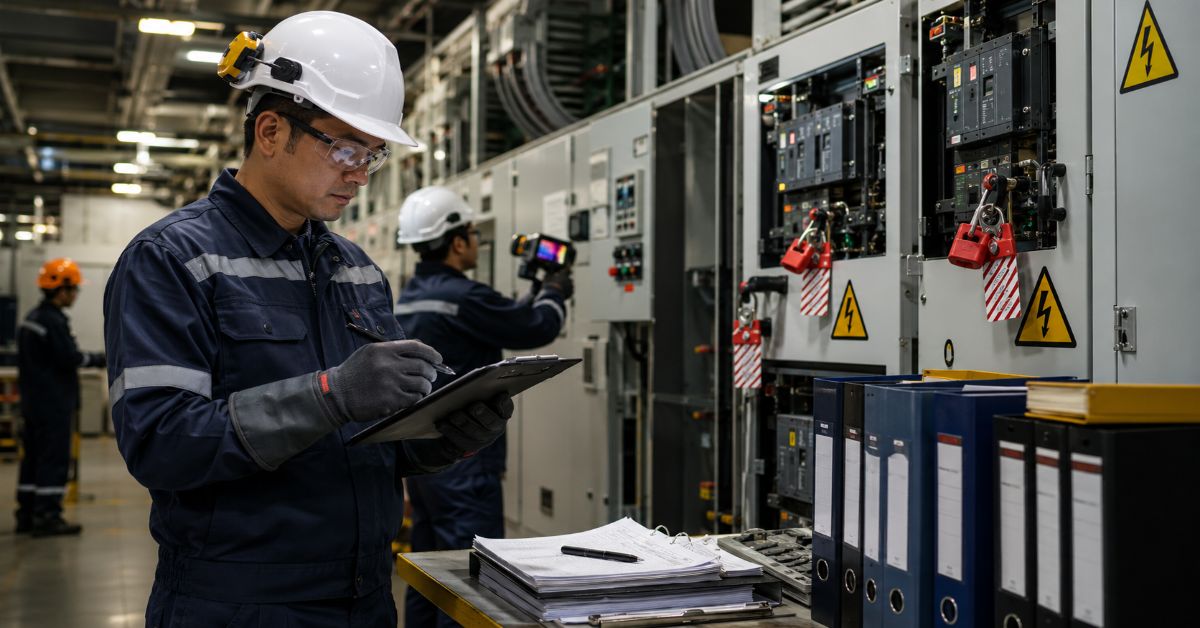
Electrical safety is a critical priority for every industrial facility, regardless of its size or industry. Electrical systems power essential equipment, support continuous production, and enable efficient operations, but they also present significant risks when not properly maintained. Implementing a comprehensive electrical safety checklist helps organizations identify hazards early, improve regulatory compliance, reduce equipment failures, and create a safer working environment for employees and contractors alike.
Conduct Routine Electrical Inspections
Regular inspections form the foundation of any successful electrical safety program. Over time, electrical systems experience wear from continuous operation, environmental exposure, vibration, and aging components. Routine inspections help detect potential hazards before they develop into serious safety incidents or costly equipment failures.
Maintenance personnel should inspect electrical panels, wiring, conduit systems, switches, disconnects, transformers, motors, and distribution equipment for visible signs of damage. Common warning signs include loose connections, overheating, corrosion, discoloration, cracked insulation, moisture intrusion, unusual odors, and excessive dust accumulation.
Inspection schedules should be based on equipment criticality, operating conditions, and historical maintenance data. High-demand equipment may require more frequent evaluations than systems operating under lighter workloads. Consistent documentation of inspection findings also supports long-term maintenance planning and trend analysis.
Verify Proper Grounding and Bonding
Effective grounding and bonding protect both personnel and equipment from electrical faults. A properly grounded electrical system safely directs fault currents while reducing the likelihood of electric shock, equipment damage, and electrical fires.
Grounding conductors, bonding jumpers, electrical enclosures, and conductive structures should all be inspected regularly for secure connections and signs of deterioration. Corrosion, vibration, or physical damage can weaken grounding effectiveness over time if left unaddressed.
Inspect Grounding Components Carefully
Every grounding connection should be examined for mechanical integrity and electrical continuity. Components such as a ground wire strap may be used where appropriate to maintain dependable bonding between conductive equipment and grounding systems. Routine testing helps verify that grounding paths remain effective and capable of performing their intended protective function.
Periodic resistance testing also helps identify hidden grounding issues before they compromise electrical safety or equipment performance. Maintaining complete inspection records allows maintenance teams to monitor changes over time and schedule corrective actions when necessary.
Maintain Electrical Equipment Properly
Preventive maintenance significantly reduces electrical hazards by ensuring equipment continues operating within safe design limits. Equipment that receives regular servicing is less likely to experience unexpected failures, overheating, insulation breakdown, or mechanical deterioration.
Maintenance programs should include cleaning electrical enclosures, tightening electrical connections, lubricating moving components where applicable, replacing worn parts, and verifying protective device operation. These activities improve equipment reliability while minimizing the likelihood of production interruptions caused by electrical failures.
Electrical rooms should also remain clean, dry, and free from unnecessary storage. Maintaining adequate ventilation prevents excessive heat buildup that could shorten equipment lifespan or increase fire risks. Clear access to electrical panels allows maintenance personnel to respond quickly during inspections or emergencies.
Test Protective Devices Regularly
Protective devices are essential for limiting damage during abnormal electrical conditions. Circuit breakers, overload protection devices, disconnect switches, and other protective equipment should undergo routine functional testing to verify proper operation.
Testing confirms that protective devices respond appropriately during fault conditions while ensuring they continue to provide reliable protection throughout their service life. Any device showing signs of deterioration or inconsistent performance should be repaired or replaced promptly.
Strengthen Employee Training and Safety Procedures
An effective electrical safety program depends not only on equipment maintenance but also on knowledgeable personnel. Employees should receive regular training on electrical hazards, safe work practices, emergency procedures, and hazard recognition appropriate to their responsibilities.
Workers should understand the importance of reporting unusual equipment behavior, damaged electrical components, exposed wiring, unusual odors, excessive heat, or abnormal sounds immediately. Early reporting allows maintenance teams to investigate developing issues before they become significant hazards.
Standard operating procedures should clearly define safe work practices for inspecting, servicing, and operating electrical equipment. Lockout and isolation procedures should be followed whenever maintenance activities require equipment to be safely de-energized.
Contractors working within industrial facilities should also follow the same electrical safety requirements as permanent employees. Consistent safety expectations across all personnel help reduce confusion while maintaining a safe working environment throughout the facility.
Monitor Environmental Conditions and Improve Continuous Safety
Industrial environments often expose electrical systems to challenging operating conditions that accelerate equipment deterioration. Dust, moisture, vibration, corrosive chemicals, and temperature fluctuations can all affect electrical reliability and increase safety risks if not properly managed.
Routine environmental inspections should verify that electrical enclosures remain sealed, ventilation systems function properly, and environmental protection measures continue performing as intended. Equipment installed in harsh environments may require additional protective measures or more frequent maintenance intervals.
Safety performance should also be reviewed regularly using maintenance records, inspection findings, incident reports, and equipment performance data. Identifying recurring issues helps organizations improve maintenance strategies while reducing long-term operational risks.
Periodic safety audits provide another opportunity to evaluate compliance with internal procedures and applicable regulations. Reviewing inspection programs, employee training, maintenance practices, and emergency response procedures supports continuous improvement while reinforcing a strong safety culture.
Encouraging open communication between operators, maintenance personnel, supervisors, and management further strengthens workplace safety. Employees who feel comfortable reporting concerns contribute valuable observations that may prevent future incidents and improve overall facility reliability.
Conclusion
A comprehensive electrical safety checklist helps industrial facilities protect employees, maintain reliable equipment, and minimize costly operational disruptions. Through regular inspections, proper grounding, preventive maintenance, employee training, and continuous safety improvement, organizations can significantly reduce electrical hazards while supporting efficient daily operations. Prioritizing electrical safety creates a stronger foundation for long-term productivity, regulatory compliance, and dependable industrial performance.