Reliable electrical connections are essential for keeping industrial equipment operating safely and efficiently. Over time, vibration, heat, moisture, and continuous use can weaken electrical connections, increasing the risk of equipment failure, production downtime, and workplace hazards. Recognizing the early warning signs allows maintenance teams to address issues proactively, extend equipment life, and maintain consistent operational performance while preventing expensive emergency repairs.
Watch for Overheating and Discoloration
One of the earliest and most visible signs of a deteriorating electrical connection is excessive heat. Loose terminals, worn conductors, and corroded contacts create electrical resistance, causing temperatures to rise beyond normal operating levels. If left uncorrected, overheating can damage insulation, weaken surrounding components, and eventually lead to equipment failure.
Visual inspections often reveal warning indicators such as melted insulation, scorch marks, darkened terminals, or discolored wiring. These signs suggest that electrical current is encountering resistance somewhere within the connection. Heat may also cause nearby plastic components to become brittle or deformed, further compromising system reliability.
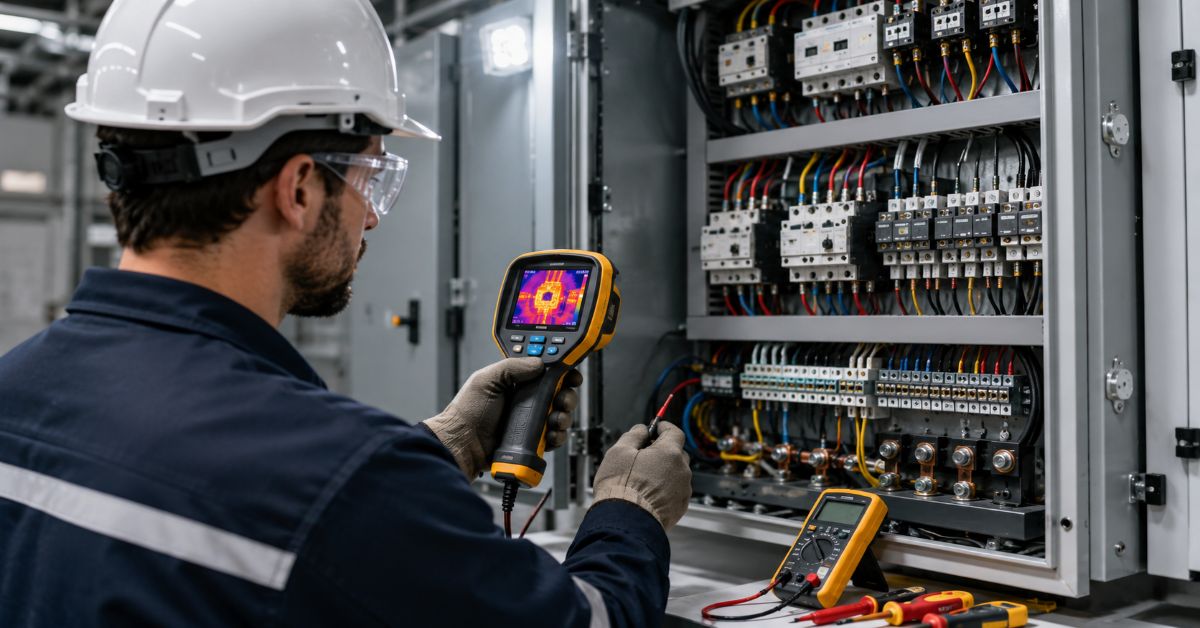
Maintenance personnel should routinely inspect electrical panels, junction boxes, motor terminals, disconnect switches, and control cabinets for evidence of overheating. Thermal imaging inspections can also help identify hidden hot spots before visible damage develops, allowing repairs to be completed during scheduled maintenance rather than emergency shutdowns.
Monitor Equipment Temperature Trends
Consistently tracking equipment operating temperatures provides valuable insight into connection health. Sudden temperature increases often indicate developing electrical problems that require immediate investigation. Comparing current temperature readings with historical maintenance records helps identify gradual deterioration before failures occur.
Maintaining proper ventilation around electrical equipment further reduces heat buildup and improves overall system reliability. Clean enclosures and unobstructed airflow help electrical components operate within their intended temperature range.
Listen for Unusual Sounds and Observe Performance Changes
Electrical systems typically operate quietly and consistently. Unusual sounds such as buzzing, humming, crackling, or arcing noises often indicate loose electrical connections or deteriorating components. These sounds should never be ignored because they frequently precede more serious electrical failures.
Equipment performance changes may also signal connection problems. Motors that start inconsistently, lighting that flickers unexpectedly, or machinery that experiences random shutdowns may all be affected by unstable electrical connections. Even intermittent issues deserve prompt attention, as they often become more severe over time.
Unexpected circuit breaker trips can provide another warning. While protective devices are designed to respond during fault conditions, repeated tripping without an obvious cause may point to loose wiring, damaged conductors, overloaded circuits, or deteriorating electrical connections.
Investigate Vibration-Related Issues
Industrial machinery often generates continuous vibration, which gradually loosens electrical terminals and mechanical fasteners. Equipment located near heavy production machinery is especially susceptible to vibration-related electrical problems.
Regular torque verification of electrical terminals helps ensure connections remain secure despite ongoing vibration. Facilities should include vibration-prone equipment in more frequent inspection schedules to reduce the likelihood of unexpected failures.
Inspect for Corrosion, Moisture, and Environmental Damage
Environmental conditions significantly influence the lifespan of electrical connections. Moisture, humidity, chemicals, dust, and airborne contaminants gradually degrade conductive surfaces, increasing electrical resistance and reducing connection reliability.
Corrosion commonly appears as discoloration, oxidation, or deposits on terminals and connectors. Even minor corrosion can interfere with electrical conductivity, generating excessive heat and reducing equipment efficiency. In severe cases, corrosion weakens mechanical connections and increases the likelihood of complete circuit failure.
Industrial facilities operating in outdoor locations or harsh environments should pay particular attention to weather exposure. Protective enclosures should remain properly sealed to prevent moisture intrusion while allowing adequate ventilation for safe equipment operation.
Verify Grounding Integrity
Reliable grounding is an important part of maintaining safe electrical systems. Grounding components should be inspected regularly for corrosion, loose hardware, and physical damage that may reduce their effectiveness.
Where appropriate for the application, braided grounding straps help maintain dependable electrical bonding between conductive equipment and grounding systems. Routine inspection ensures these connections continue providing reliable electrical continuity while supporting overall equipment protection.
Check for Loose Connections During Preventive Maintenance
Preventive maintenance provides an excellent opportunity to identify electrical connection problems before they interrupt production. Scheduled inspections allow maintenance personnel to tighten terminals, replace worn components, and verify electrical integrity under controlled conditions.
Electrical terminals naturally loosen over time because of thermal expansion and contraction during repeated operating cycles. Even slight movement can increase electrical resistance, generating additional heat that accelerates component deterioration.
Maintenance procedures should include visual inspections, torque verification, insulation testing, continuity measurements, and evaluation of conductor condition. Documenting inspection findings helps identify recurring issues while supporting more effective maintenance planning.
Maintain Accurate Inspection Records
Detailed maintenance records help organizations monitor equipment condition throughout its service life. Recording inspection dates, observed deficiencies, corrective actions, and replacement history enables maintenance teams to recognize patterns that may indicate recurring electrical problems.
Historical records also support predictive maintenance by identifying components approaching the end of their expected service life. Replacing aging connections before failure improves equipment reliability while reducing emergency repair costs.
Strengthen Long-Term Electrical Reliability
Reliable electrical connections depend on more than routine inspections alone. Proper installation techniques, quality materials, and consistent maintenance all contribute to long-term system performance. Electrical conductors should be correctly sized, securely terminated, and protected from mechanical damage throughout their operating life.
Employee awareness also plays an important role in identifying developing electrical issues. Operators who notice unusual equipment behavior, excessive heat, unusual odors, or inconsistent performance should report these observations immediately. Early reporting enables maintenance personnel to investigate potential connection problems before equipment damage occurs.
Periodic electrical audits provide another valuable layer of protection. Reviewing connection integrity, equipment condition, maintenance procedures, and operating environments helps organizations identify opportunities for improvement while ensuring continued compliance with applicable safety requirements.
Combining preventive maintenance with predictive inspection methods such as thermal imaging, vibration monitoring, and electrical testing creates a more comprehensive maintenance strategy. This proactive approach reduces unexpected downtime, extends equipment lifespan, and supports continuous industrial productivity.
Conclusion
Inspecting electrical connections before problems escalate is one of the most effective ways to improve equipment reliability and workplace safety. By recognizing warning signs such as overheating, unusual sounds, corrosion, loose terminals, and inconsistent equipment performance, organizations can address issues before they result in costly failures. A consistent inspection program supports safer operations, minimizes downtime, and helps industrial facilities maintain dependable electrical systems for long-term success.