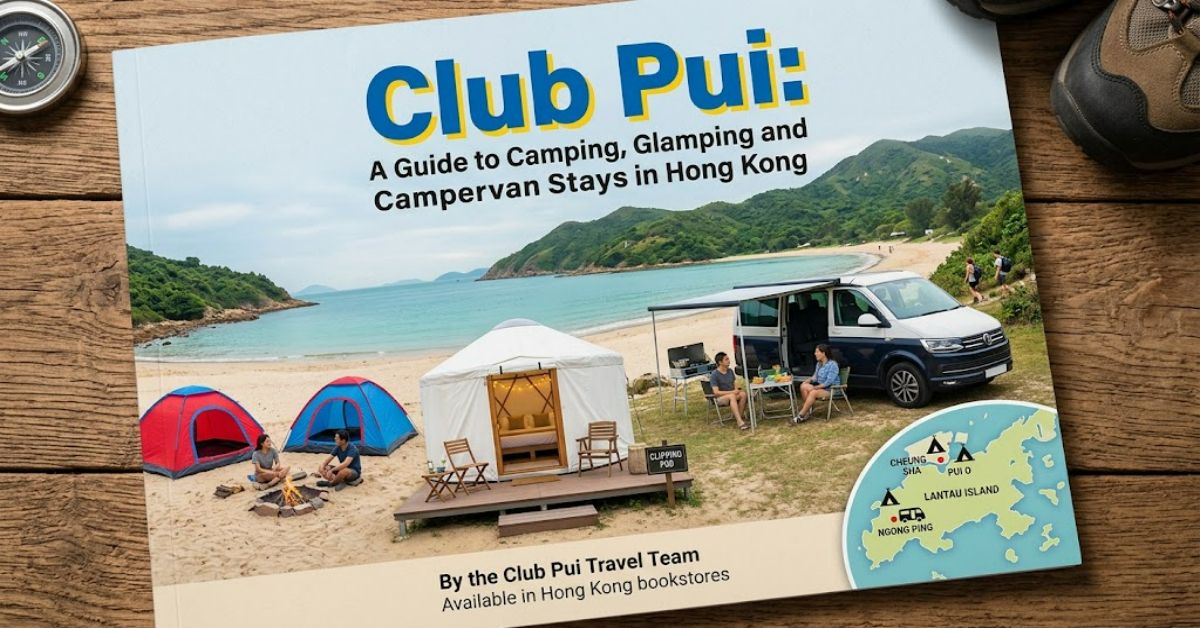
Club Pui is an independent travel information website dedicated to outdoor camping, glamping and campervan stays in Pui O, an area on Lantau Island in Hong Kong. Its subject brings together outdoor recreation, nature-focused accommodation and practical travel planning for visitors interested in spending time away from busy urban districts.
Hong Kong is widely associated with its dense skyline and commercial centres, but its outlying islands and coastal areas offer a different experience. Pui O is known for its beach environment and rural surroundings, making it an appealing setting for travellers who want to explore the territory beyond its city streets.
The appeal of an outdoor break depends on more than scenery. Travellers must consider accommodation arrangements, access to facilities, transport connections, weather conditions and the type of experience they want. A basic camping trip requires different preparation from a glamping stay or a journey involving a campervan.
Understanding the purpose of Club Pui helps visitors decide whether its information is relevant to their plans. However, the website’s description alone does not establish current prices, live availability, specific facilities or the operating status of individual accommodation providers. These details should be checked before booking.
This guide explains the role of Club Pui, explores the differences between outdoor accommodation options and outlines practical considerations for visiting Pui O. It also examines the benefits and limitations of nature-based travel, helping readers approach their plans with realistic expectations.
What Makes Pui O Worth Visiting?
Pui O offers a coastal setting shaped by sandy beaches, surrounding hills and rural village life. The Hong Kong Tourism Board describes the area as a destination for beach activities, outdoor recreation and relaxed coastal visits.
One distinctive feature is the landscape around Pui O Beach. Visitors may encounter water buffaloes in the surrounding fields, while the beach provides space for walks, picnics and enjoying the sunset. These characteristics make the area suitable for travellers who value scenery and outdoor activities more than a packed sightseeing schedule.
Camping also has an established place in the area’s visitor infrastructure. The Leisure and Cultural Services Department operates Pui O Campsite near the beach. Its published information lists 54 camp bays, barbecue pits, pavilions, toilets and changing facilities shared with beach users.
This provides an important distinction for readers researching Club Pui: public camping facilities exist in Pui O, but that does not mean every accommodation option described by a private travel website is operated by the government. Visitors should confirm the provider, facilities and booking conditions for their chosen stay.
Camping, Glamping and Campervan Stays Compared
Outdoor accommodation comes in several forms. The most suitable option depends on comfort, budget, equipment and how much independence a traveller wants.
| Accommodation type | Main appeal | Preparation required | Best suited to |
| Traditional camping | Close contact with nature | Tent, sleeping equipment and supplies | Experienced campers and budget travellers |
| Glamping | Outdoor atmosphere with added comfort | Usually less personal equipment | Couples and comfort-focused visitors |
| Campervan stay | Flexible accommodation in a vehicle | Vehicle arrangements and suitable parking | Travellers seeking a mobile setup |
| Public campsite | Designated camping space and shared facilities | Compliance with campsite rules | Visitors seeking an organised outdoor stay |
A key consideration is that these options are not interchangeable. A campsite may offer a designated pitch without supplying a tent, while a glamping provider may include bedding and other amenities. Campervan accommodation also requires confirmation that overnight parking is permitted at the intended location.
Before booking, check what the price includes, whether cooking is allowed, how toilets and showers are accessed, and what happens if severe weather affects the trip.
Getting to Pui O and Planning a Stay
Pui O is accessible by public transport from other parts of Lantau Island. According to official local tourism information, bus route 3M connects Tung Chung with the area, while routes serving Mui Wo provide another option. Travellers can also reach Mui Wo by ferry from Central before continuing by bus.
Journey times depend on the starting point, traffic and service schedules, so checking current transport information is advisable.
A practical preparation checklist includes:
- Transport: Confirm the bus or ferry timetable for both arrival and departure.
- Weather: Check forecasts and prepare for rain, heat and humidity.
- Equipment: Bring suitable footwear, insect repellent, drinking water and weather-appropriate clothing.
- Facilities: Confirm toilet access, shower arrangements, electricity availability and cooking restrictions.
- Safety: Check swimming conditions and whether lifeguards are on duty.
- Bookings: Verify the exact accommodation provider, cancellation policy and check-in requirements.
An overlooked issue is the final journey from a bus stop to the accommodation. A location may appear close on a map but still involve walking along village paths or carrying equipment across uneven ground. Travellers with heavy luggage or mobility requirements should confirm the route in advance.
Responsible Outdoor Travel
Pui O’s natural appeal also creates a responsibility to protect its surroundings. Visitors should dispose of rubbish properly, respect residents’ privacy, follow fire restrictions and avoid disturbing wildlife.
Another practical consideration is swimming safety. Lifeguard services at Hong Kong public beaches vary by season and operating schedule. The presence of a beach does not guarantee that supervised swimming is available at every visit. Visitors should check current notices and avoid entering the water when conditions are unsafe.
Camping rules matter too. Public campsite availability, application arrangements and maintenance schedules can affect overnight plans. Official campsite guidance should take priority over older travel articles or informal social media recommendations.
The Future of Club Pui in 2027
The future relevance of Club Pui will depend on how clearly it helps visitors understand outdoor accommodation and plan trips responsibly. Useful travel information can reduce uncertainty by explaining facilities, transport options, booking requirements and seasonal considerations.
By 2027, nature-based travel content may continue to benefit from practical details that help visitors compare experiences rather than simply browse photographs. However, no specific growth forecast or development plan for Club Pui can be confirmed from the available information.
Three areas would make such a resource particularly useful: regularly updated accommodation details, transparent distinctions between public and private facilities, and clear guidance on environmental responsibility. Accurate updates would be more valuable than unsupported claims about popularity or future expansion.
Key Takeaways
- Club Pui focuses on outdoor stays in Pui O rather than accommodation across all of Hong Kong.
- The area combines a coastal environment with access to camping facilities and outdoor recreation.
- Camping, glamping and campervan stays have different equipment and access requirements.
- Public transport provides practical ways to reach Pui O without relying on a private car.
- Seasonal weather, swimming safety and campsite rules should influence travel plans.
- Visitors should independently verify private accommodation details before making reservations.
Conclusion
Club Pui provides a useful starting point for understanding outdoor accommodation possibilities in Pui O, Lantau Island. Its focus on camping, glamping and campervan stays reflects a side of Hong Kong that differs from the territory’s familiar urban attractions.
Pui O’s beach, surrounding countryside and established public campsite make it a relevant destination for travellers seeking outdoor recreation. However, the quality of a stay depends on practical details as much as scenery. Transport connections, facilities, weather, safety arrangements and accommodation rules all deserve attention before departure.
The most important distinction is between general destination information and verified details about a specific provider. Official sources can help visitors confirm public campsite facilities and transport arrangements, while private accommodation operators should be consulted for their own prices, availability and conditions.
For travellers who prepare carefully and respect the local environment, Pui O offers an opportunity to experience Hong Kong at a slower pace. Club Pui’s subject is therefore best understood through the wider context of responsible outdoor travel and informed trip planning.
Frequently Asked Questions
What is Club Pui?
Club Pui is described as an independent travel information website focused on camping, glamping and campervan stays in Pui O on Lantau Island, Hong Kong.
Where is Club Pui based?
Its stated travel focus is Pui O, a coastal area on Lantau Island. This does not independently confirm the website operator’s business address.
Can visitors camp in Pui O?
Yes. The Leisure and Cultural Services Department operates a public campsite near Pui O Beach. Visitors should check current application arrangements and campsite rules before travelling.
How do you reach Pui O?
Visitors can generally travel by bus from Tung Chung or Mui Wo. Services and journey times should be checked before departure.
Is glamping available in Pui O?
The supplied description identifies glamping as part of Club Pui’s subject. Specific providers, facilities and current availability require separate verification.
Is Pui O suitable for a weekend trip?
It can suit visitors interested in beaches, camping and outdoor activities. Transport planning, suitable equipment and accommodation arrangements are important for an overnight stay.
References
Hong Kong Tourism Board. (n.d.). Pui O Beach.
Islands District Office. (n.d.). Pui O Beach: A travel guide to the outlying islands.
Leisure and Cultural Services Department. (n.d.). Pui O Campsite.
These official sources provide destination, transport and public campsite context. They do not independently verify Club Pui’s ownership, current offerings or commercial arrangements.
Methodology
This article uses the supplied description of Club Pui and publicly available information from Hong Kong’s tourism authorities and Leisure and Cultural Services Department. No firsthand visit, accommodation booking or independent product testing was conducted. Current commercial availability, prices and the website operator’s identity have not been independently established.
The article therefore separates verified destination information from details that require confirmation with individual providers. A human editor should verify source records and any new product-specific claims before publication.
Editorial disclosure: This article was drafted with AI assistance and requires human fact-checking and editorial review before publication.