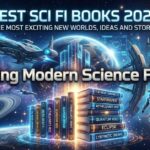
The best sci-fi books 2026 offer readers a powerful combination of imaginative worlds, advanced technology concepts, and thoughtful questions about humanity’s future. Science fiction continues to be one of the most flexible literary genres because it allows writers to explore possible realities while examining problems that already exist today.
From large-scale space adventures to intimate stories about artificial intelligence and identity, 2026 has delivered a diverse range of science fiction releases. Curated selections from major reading communities, including Goodreads science fiction lists and specialist genre coverage from outlets such as Book Riot’s SFF recommendations, highlight how broad the modern genre has become.
Science fiction readers are no longer searching only for stories about distant planets or futuristic machines. They are increasingly interested in narratives exploring climate change, biotechnology, automation, political systems, and the relationship between humans and technology.
This year’s strongest releases demonstrate that the genre remains a testing ground for ideas. The best novels combine imaginative speculation with emotional depth, creating stories that feel relevant even when they take place hundreds of years ahead.
The Changing Shape of Science Fiction in 2026
Science fiction has always reflected contemporary concerns. Earlier generations focused heavily on space exploration, robotics, and alien civilisations. Modern writers continue using these themes but often connect them with social and ethical questions.
Several major themes dominate 2026 science fiction:
- Artificial intelligence and machine consciousness
- Climate adaptation and environmental futures
- Human enhancement through biotechnology
- Space colonisation challenges
- Alternative societies and political systems
The genre’s evolution shows that futuristic fiction is often less about predicting technology and more about exploring human behaviour.
| Trend | Why It Matters in 2026 | Common Story Focus |
| Artificial Intelligence | Growing public debate around AI systems | Identity, ethics, automation |
| Climate Fiction | Environmental concerns influence storytelling | Survival and adaptation |
| Space Exploration | Renewed interest in lunar and Mars missions | Colonisation and discovery |
| Biotechnology | Advances in genetics create new questions | Human evolution |
Standout Science Fiction Releases and Reader Expectations
Choosing the best sci-fi books 2026 is challenging because readers value different elements. Some prefer complex worldbuilding, while others look for character-driven stories or philosophical discussions.
| Book Selection Approach | Strength | Limitation |
| Award-nominated titles | Strong critical recognition | May not suit every reader |
| Popular community lists | Reflects reader enthusiasm | Popularity does not guarantee quality |
| Established authors | Proven storytelling ability | Less discovery of new voices |
| Debut novels | Fresh ideas and perspectives | Limited long-term reputation |
A balanced reading list should include different styles rather than focusing only on bestselling titles.
Why Science Fiction Remains Culturally Important
Science fiction has influenced discussions around technology, society, and innovation for decades. Many concepts once considered fictional have become part of real conversations, including artificial intelligence, virtual environments, and advanced robotics.
The genre provides a safe space for examining difficult questions:
- Should technology have limits?
- How will humans maintain identity in digital environments?
- What responsibilities come with scientific progress?
- How might societies respond to future crises?
The strongest science fiction books do not simply imagine tomorrow. They encourage readers to reconsider today.
The Role of Technology in Modern Sci-Fi Publishing
Digital publishing has changed how readers discover science fiction. Online communities, recommendation platforms, audiobooks, and subscription services have expanded access to genre fiction.
Readers can now discover new authors through:
- Online book communities
- Digital review platforms
- Independent publishing channels
- Audiobook services
However, this accessibility also creates challenges. Thousands of new titles appear every year, making visibility difficult for smaller authors.
A major insight from the current publishing environment is that recommendation systems increasingly influence what readers discover. While algorithms can introduce audiences to suitable books, they may also reduce exposure for unusual or experimental works.
Risks and Limitations of “Best Book” Lists
Ranking the best science fiction books involves subjective judgement. A novel praised by critics may not match an individual reader’s preferences.
Common limitations include:
Genre Bias:
Popular lists may favour certain styles, such as space opera or technology-focused stories.
Release Timing:
Books published later in the year may receive less attention initially.
Marketing Influence:
Publisher promotion can affect visibility alongside literary quality.
The most useful reading guides combine expert opinions, reader reactions, and personal exploration.
The Future of Sci-Fi Books in 2027
By 2027, science fiction publishing is likely to continue expanding through digital platforms, global authorship, and new storytelling formats.
Artificial intelligence may influence publishing workflows through editing assistance, translation, and personalised recommendations. However, human creativity and original storytelling will remain central to the genre.
Future science fiction is also expected to explore increasingly complex issues:
- Regulation of artificial intelligence
- Climate adaptation strategies
- Human-machine relationships
- Space infrastructure development
The direction of the genre will depend on how writers respond to real-world uncertainty while continuing to create imaginative possibilities.
Key Takeaways
- Science fiction in 2026 is focused on ideas as much as technology.
- The strongest releases combine future concepts with human experiences.
- AI, climate change, and biotechnology remain major creative influences.
- Recommendation lists are useful but should not replace personal exploration.
- Digital platforms are changing how readers discover new authors.
- The future of science fiction will continue blending imagination with real-world concerns.
Conclusion
The best sci-fi books 2026 demonstrate why science fiction remains one of literature’s most influential genres. These books explore possible futures while examining timeless questions about humanity, technology, and society.
The year’s strongest releases show that great science fiction is not defined only by futuristic settings. It succeeds when imaginative concepts are combined with emotional storytelling and meaningful ideas.
As technology and society continue changing, science fiction will remain an important way to explore possibilities, challenges, and hopes for the future. Whether readers prefer distant galaxies, artificial intelligence narratives, or climate-focused futures, 2026 offers a wide range of stories that demonstrate the continuing strength of the genre.
Frequently Asked Questions
What are the best sci-fi books 2026?
The best science fiction releases of 2026 include critically recognised novels, award-nominated titles, and highly discussed works from both established and emerging authors.
Where can readers find 2026 science fiction recommendations?
Readers can explore curated lists from Goodreads, Book Riot SFF coverage, publishers, and specialist science fiction communities.
What themes dominate 2026 science fiction?
Major themes include artificial intelligence, climate change, space exploration, biotechnology, and questions about human identity.
Are new sci-fi authors gaining attention in 2026?
Yes. Digital publishing and online communities have created more opportunities for emerging science fiction writers.
Why is science fiction still popular?
Science fiction remains popular because it combines entertainment with thought-provoking questions about possible futures.
Methodology
This article was developed using publicly available information from recognised book communities, publishing sources, and science fiction industry discussions. Recommendations were analysed through genre trends, reader interest, and broader cultural relevance. No personal book reviews or fabricated reader experiences were included. Individual preferences may vary because literary quality remains subjective.
References
Goodreads. (2026). Science fiction books and reader recommendations. Goodreads.
Book Riot. (2026). Science fiction and fantasy reading recommendations. Book Riot.
Science Fiction and Fantasy Writers Association. (2026). Science fiction publishing and genre resources. SFWA.
Publishers Association. (2024). Publishing industry trends and digital reading insights. Publishers Association.