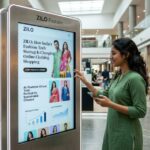
ZILO is a Mumbai-based fashion-tech startup that aims to make clothing shopping faster and more convenient. The platform offers curated apparel from more than 200 brands, with delivery advertised within 60 minutes in eligible locations. It also provides home trials, allowing customers to assess fit and style before deciding what to keep.
The business sits at the intersection of fashion retail and quick commerce. Traditional online clothing stores offer broad selections but can require customers to wait days for delivery. Physical shops provide immediate access to products and fitting rooms, but visiting them takes time. ZILO attempts to combine the convenience of digital shopping with some of the advantages of an in-person retail experience.
The company serves customers in Mumbai and surrounding areas, including Thane and Navi Mumbai, according to company and industry announcements published in 2026. Its range covers clothing for men, women and children, with options for workwear, casual outfits, festive occasions and other everyday needs.
However, rapid delivery alone does not guarantee a successful retail business. Clothing purchases involve sizing, personal taste, availability and return costs. ZILO must coordinate all these factors while maintaining a delivery promise that customers can rely on.
Understanding its approach offers a useful look at how Indian fashion retail is evolving and why quick commerce is moving beyond groceries and everyday essentials.
What Is ZILO?
ZILO is a fashion-focused e-commerce platform designed around speed, product curation and convenience. Rather than asking shoppers to browse an enormous catalogue without guidance, it presents clothing from established Indian and international brands across different styles and occasions.
Its reported assortment includes labels such as Levi’s, Jack & Jones, Puma, Biba, ONLY and Rare Rabbit. Availability depends on the catalogue, location and current inventory.
The service is particularly relevant to shoppers who need an outfit at short notice. Someone preparing for an office meeting, social gathering or family celebration may value receiving clothing quickly rather than waiting for standard e-commerce delivery.
The platform also addresses a common weakness in online apparel shopping: customers cannot physically assess a garment before it arrives. Its home-trial option is intended to reduce that uncertainty by allowing customers to try selected items at home.
How ZILO’s Business Model Works
ZILO combines digital discovery with local fulfilment. Customers browse products through its platform, choose suitable items and select an available delivery or trial option. Orders are then fulfilled through the inventory and logistics arrangements available in the relevant service area.
The exact experience may vary by postcode, product and fulfilment method.
| Feature | How it works | Potential customer benefit |
| Curated catalogue | Clothing from more than 200 brands | Less time spent searching |
| Rapid delivery | Delivery within 60 minutes in eligible areas | Useful for urgent purchases |
| Home trials | Try eligible products at home | Better assessment of fit and style |
| Returns | Return eligible items under applicable policies | Lower risk of an unsuitable purchase |
| Multiple categories | Clothing for men, women and children | Convenient shopping for different needs |
The model depends on coordination between technology, inventory and local delivery operations. A product shown as available must be physically accessible, correctly recorded and ready for dispatch.
This is more demanding than simply operating a website that accepts orders. The company must make decisions about which products to stock locally, how to forecast demand and how to complete deliveries within a short time window.
Why ZILO’s Home-Trial Feature Matters
Clothing is different from many quick-commerce products because its suitability cannot always be judged from a photograph.
A shirt may look attractive online but fit poorly around the shoulders. Trousers may have the wrong length, while a dress may feel different from what a customer expected. These problems can lead to returns, refunds and dissatisfaction.
Home trials attempt to address this problem by bringing the fitting process closer to the customer.
There are three practical advantages.
- Better fit assessment: Customers can evaluate size, comfort and appearance in their own environment.
- More confident decisions: Shoppers can compare eligible options before deciding which items suit them.
- Potentially fewer unsuitable purchases: A well-managed trial process may reduce the likelihood of customers keeping products they do not want.
However, home trials also introduce operational costs. Collecting unwanted items, inspecting returned clothing and updating inventory require additional labour and coordination. The feature is commercially valuable only if the improvement in customer experience justifies those costs.
ZILO Compared With Traditional Online Fashion Retail
The differences between rapid fashion delivery and conventional e-commerce extend beyond delivery speed.
| Factor | ZILO’s quick-commerce approach | Traditional online fashion retail |
| Delivery | Within 60 minutes in eligible areas, subject to availability | Often a longer scheduled delivery window |
| Product selection | Curated selection from participating brands | May offer a broader national or international catalogue |
| Shopping experience | Digital browsing with eligible home-trial options | Primarily digital product assessment |
| Fulfilment | Relies on nearby inventory and local logistics | Can use central warehouses and regional distribution centres |
| Best suited to | Urgent purchases and immediate needs | Planned purchases and extensive product comparison |
| Main constraint | Local stock and delivery coverage | Waiting time and uncertainty about fit |
Neither model is automatically better for every customer. Traditional retailers may offer a larger assortment, more colour and size combinations, or greater access to specialised products. A rapid-delivery platform may be more useful when timing matters more than exhaustive choice.
The practical decision is whether a customer values speed enough to accept the selection and service limitations of local fulfilment.
Market Opportunity and Business Challenges
India’s quick-commerce sector has encouraged businesses to rethink how quickly products can reach customers. Fashion adds a different set of requirements because clothing has a wide range of sizes, colours, designs and seasonal patterns.
Industry reporting in 2025 and 2026 described growing investor interest in fashion-focused rapid delivery. In February 2026, Moneycontrol reported that ZILO raised US$15.3 million in Series A funding led by Peak XV Partners. The company said the funding would support operational expansion, technology and brand development.
This investment indicates that investors see potential in the category, but funding does not guarantee profitability or long-term demand.
Three operational issues deserve particular attention.
1. Inventory accuracy
A fast delivery promise becomes difficult to maintain if a product appears available online but cannot be located. Retailers need reliable stock records and quick communication between stores, fulfilment locations and the ordering platform.
2. Delivery economics
Short delivery windows require efficient routing, sufficient order density and appropriate staffing. Delivering a single low-value item over a long distance can be expensive relative to the revenue generated.
3. Returns and product condition
Apparel returns must be processed without creating long delays or unnecessary waste. Returned products may need inspection before becoming available for another order, particularly when packaging or labels have been disturbed.
These challenges show why fashion quick commerce is as much an operations business as a technology business.
Key Business Insights
The model reveals several less obvious considerations for shoppers and retailers.
- Local availability can matter more than total catalogue size. A platform may list thousands of products, but only nearby inventory can reliably support rapid fulfilment. The quality of local assortment may therefore be more important than the headline number of brands.
- Home trials change the cost structure. They can improve purchase confidence, but also create reverse-logistics costs. Their value should be measured through repeat purchases, customer satisfaction and the proportion of trial orders converted into sales.
- Delivery speed needs a clear service boundary. A 60-minute promise should not be interpreted as universal coverage. Eligible postcodes, product availability, operating hours and delivery options can affect the actual experience.
These are analytical implications of the operating model, rather than claims based on independent hands-on testing of the service.
Who Should Consider Using ZILO?
ZILO may suit urban shoppers who need clothing quickly and live within an eligible delivery area. Its model is particularly relevant for last-minute events, unexpected wardrobe needs and customers who prefer trying garments at home.
It may be less suitable for shoppers who want an extensive range of niche products, need to compare many brands in detail or live outside supported locations.
Before placing an order, customers should check the delivery estimate for their postcode, confirm the required size and colour, and review the current home-trial and return conditions. They should also verify the final price and any applicable charges rather than assuming every service or product has identical terms.
The Future of ZILO in 2027
ZILO’s prospects in 2027 will depend on whether it can expand its reach without weakening the customer experience that differentiates it.
A key development is the connection between digital platforms and physical retail inventory. In August 2026, industry reporting described ZILO’s expansion towards an omnichannel model, connecting brand and mall stores with its fulfilment network. This approach could make more products available without relying exclusively on dedicated warehouses.
However, store-based fulfilment introduces its own complexities. Retail staff must balance walk-in shoppers with online orders, and inventory systems must accurately reflect products sold through different channels.
Further growth will also depend on customer retention. A quick first delivery may attract attention, but reliable sizing information, fair returns, suitable product selection and consistent service are more likely to encourage repeat use.
Expansion into additional cities is possible, but each new market requires sufficient brand participation, local stock, delivery capacity and demand. There is no guarantee that the economics achieved in one urban area will translate directly to another.
Key Takeaways
- ZILO combines fashion discovery and rapid local delivery rather than relying solely on a conventional warehouse-to-customer model.
- Home trials address fit uncertainty but require efficient returns and inventory management.
- The availability of a product in a particular location matters more than the platform’s total brand count when speed is essential.
- Investor funding supports growth plans but is not proof of profitability.
- Store integration could broaden product availability, provided inventory accuracy and fulfilment standards remain reliable.
- Customers should check postcode coverage and service conditions before relying on a rapid delivery estimate.
Conclusion
ZILO represents an emerging approach to fashion retail in which convenience extends beyond browsing and payment to include delivery and product trials. By combining a curated selection of more than 200 brands with rapid fulfilment and home-trial options, the Mumbai-based startup seeks to address two common frustrations: waiting for clothing to arrive and discovering that an item does not fit as expected.
Its model has clear appeal for time-conscious urban shoppers, but it also requires careful management of stock, delivery costs and returns. Rapid fulfilment can become expensive when orders are spread across large areas or when products must travel back through the supply chain.
The company’s ability to build dependable local operations will therefore be as important as its app experience. Its expansion plans and retail partnerships suggest continued development, although future performance will depend on execution, customer demand and unit economics. For shoppers, ZILO is best understood as a convenient option for eligible purchases rather than a universal replacement for traditional fashion shopping.
Frequently Asked Questions
What is ZILO?
ZILO is an Indian fashion-tech startup based in Mumbai. It offers clothing from more than 200 brands through a platform focused on rapid delivery, curated selections and eligible home trials.
Does ZILO deliver clothes within 60 minutes?
The company advertises delivery within 60 minutes in eligible locations. Actual availability depends on the customer’s postcode, the product in stock and the delivery options shown at checkout.
Which brands are available on ZILO?
Reported brands include Levi’s, Jack & Jones, Puma, Biba, ONLY and Rare Rabbit. The current selection can vary by category, location and inventory.
Does ZILO offer home trials?
Yes. ZILO promotes home trials for eligible products, allowing customers to assess clothing before deciding what to keep. Customers should check the current conditions for their particular order.
Where does ZILO operate?
The platform has been reported as operating across Mumbai, Thane and Navi Mumbai. Coverage can change, so customers should confirm service availability using their postcode.
Who founded ZILO?
Industry reporting identifies Padmakumar Pal and Bhavik Jhaveri as the startup’s co-founders. Both have been associated with the Indian e-commerce sector.
References
- Business Standard. (2025, 27 June). Reporting on ZILO’s seed funding and fashion delivery platform.
- Moneycontrol. (2026, 5 February). Reporting on ZILO’s US$15.3 million Series A funding round.
- Fynd. (2026, 10 August). Company announcement concerning its partnership with ZILO.
- ZILO. (n.d.). Company information and service descriptions.
- Google Play. (2026, 9 September). ZILO – 60-min Fashion Delivery app listing.
Methodology
This article draws on ZILO’s published service descriptions, its app listing, a company partnership announcement and business reporting about its funding and expansion. These sources help establish the platform’s stated features, reported service areas and recent business developments.
The article does not claim independent testing of delivery times, returns, product quality or customer satisfaction. Company descriptions are treated as statements about the service, not as proof that every order receives the same experience. Funding announcements indicate investor participation but do not establish profitability.
Before publication, an editor should confirm the latest delivery coverage, home-trial conditions, brand availability and company details against primary sources. References and dates should also be checked against the original publications.