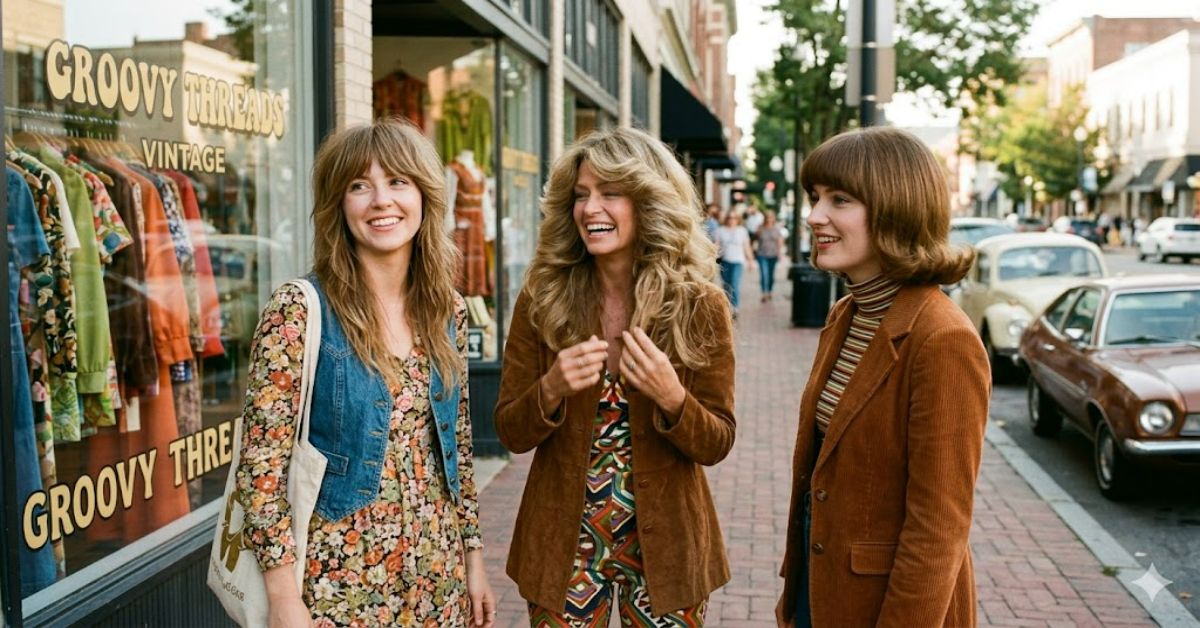
Few beauty trends have proven as enduring as 70s hairstyles. More than fifty years later, hairdressers, fashion editors, and celebrities continue to draw inspiration from the decade’s distinctive blend of glamour and individuality. Whether it was the dramatic feathered blowout associated with Hollywood icons, the rebellious shag cut embraced by rock stars, or the celebration of natural texture through afros and curls, the 1970s represented a major shift in how people approached personal style.
Unlike previous decades that often promoted highly structured looks, the 1970s encouraged self-expression. Hair became softer, freer, and more reflective of cultural movements taking place across music, fashion, politics, and identity. The decade saw the rise of disco culture, second-wave feminism, and a growing appreciation for natural beauty, all of which influenced the hairstyles people chose.
Today, many contemporary trends—from curtain bangs to layered volume—owe a direct debt to the era. Modern stylists frequently revisit these looks because they can be adapted to virtually every hair type and face shape.
Understanding the origins and evolution of these styles offers more than a nostalgic look backward. It reveals how beauty trends often reflect broader social attitudes and explains why the aesthetics of the 1970s continue to resonate with new generations.
The Cultural Significance of 1970s Hair
The 1970s were a period of significant social transformation. Fashion became more individualistic, and hairstyles followed the same path.
Unlike the polished uniformity often associated with the 1950s and early 1960s, people increasingly used their appearance to communicate personality and cultural identity. Hair became an extension of self-expression rather than adherence to a strict beauty standard.
Music heavily influenced style choices. Rock musicians popularised long, layered cuts, while disco culture encouraged dramatic volume and movement. At the same time, the natural hair movement gained visibility, encouraging many people to embrace their authentic texture rather than conform to previous beauty expectations.
This combination of freedom, experimentation, and cultural expression remains one of the defining characteristics of the decade.
The Most Iconic 70s Hairstyles
The Feathered Blowout
Perhaps no style represents the decade more than the feathered blowout.
Characterised by soft layers that frame the face and sweep outward, this look created movement while maintaining elegance. The hairstyle became synonymous with glamour and remains one of the most frequently recreated vintage looks today.
Why It Worked
- Added volume without appearing stiff
- Flattered a wide variety of face shapes
- Created movement and softness
- Worked with medium and long hair lengths
Many modern layered haircuts still incorporate feathering techniques developed during this era.
The Shag Haircut
The shag cut emerged as a more rebellious alternative.
Featuring heavily layered sections throughout the crown and sides, the style created texture and effortless volume. It suited both straight and wavy hair and became popular among musicians and creative professionals.
Key Features
- Choppy layers
- Natural movement
- Low-maintenance styling
- Compatibility with bangs or fringes
Today’s “wolf cut” trend shares many similarities with the original shag.
Natural Afros
One of the most culturally significant hairstyles of the decade was the afro.
Beyond aesthetics, the style represented identity, pride, and authenticity. Many individuals chose to wear their natural texture as a statement of self-acceptance and cultural empowerment.
Cultural Impact
- Challenged traditional beauty norms
- Encouraged natural hair care practices
- Increased visibility of diverse hair textures
- Became a symbol of confidence and individuality
The influence of this movement continues throughout contemporary beauty culture.
Centre-Parted Long Hair
A simple centre part became one of the defining looks of the era.
Associated with bohemian fashion and relaxed lifestyles, the style emphasised healthy, natural-looking hair rather than elaborate styling.
The appeal came from its simplicity. Long, flowing hair paired with a centre part required relatively little maintenance while creating a timeless appearance.
Curtain Bangs
Curtain bangs became a signature feature across numerous styles.
These soft, face-framing fringes opened at the centre and blended seamlessly into layered haircuts. Their versatility explains why they have become one of the most requested salon styles in recent years.
Comparison Table: Popular 70s Hairstyles
| Style | Best Hair Type | Maintenance Level | Modern Popularity |
| Feathered Blowout | Straight to Wavy | Moderate | Very High |
| Shag Cut | Straight, Wavy, Curly | Low to Moderate | Very High |
| Afro | Naturally Coiled | Moderate | High |
| Centre Part | Straight to Wavy | Low | High |
| Curtain Bangs | Most Hair Types | Moderate | Very High |
Why These Hairstyles Continue to Trend
Several factors explain the lasting appeal of these vintage looks.
Adaptability
Modern stylists can customise these cuts for different face shapes, lifestyles, and hair textures.
Nostalgia Cycles
Fashion typically operates in recurring cycles. Trends often reappear approximately every 20–30 years before being reinterpreted for new audiences.
Social Media Influence
Platforms such as TikTok, Instagram, and Pinterest have accelerated interest in retro beauty trends. Younger audiences frequently discover classic looks through digital content creators.
Celebrity Endorsement
Contemporary celebrities regularly adopt styles inspired by the decade, helping introduce vintage aesthetics to mainstream audiences.
Structured Insight Table
| Trend Factor | 1970s Influence | Modern Interpretation |
| Volume | Blowouts and rollers | Round-brush styling |
| Texture | Natural movement | Texturising products |
| Fringe Styling | Curtain bangs | Soft layered bangs |
| Layering | Shag cuts | Wolf cuts and butterfly cuts |
| Natural Hair | Afro movement | Texture-positive styling |
Styling Techniques That Defined the Era
The tools available in the 1970s played a significant role in shaping trends.
Blow Drying
Large round brushes created signature volume and movement.
Rollers
Velcro and heated rollers helped maintain shape while reducing excessive heat exposure.
Layer Cutting
Hairdressers increasingly used layering techniques to produce softer silhouettes.
Natural Drying
Many styles encouraged air-drying and texture enhancement rather than constant heat styling.
Risks and Trade-Offs of Recreating Vintage Looks
While retro styles remain attractive, modern wearers should consider several practical factors.
Heat Damage
Frequent blowouts can increase the risk of breakage and dryness.
Maintenance Requirements
Although some styles appear effortless, maintaining volume often requires regular trims and styling products.
Hair Type Limitations
Not every vintage style suits every texture. Adaptation is often necessary for the best results.
Trend Fatigue
Some highly viral styles become overexposed, reducing their uniqueness.
The most successful modern interpretations maintain the spirit of the original look while adapting it to individual needs.
Real-World Examples of 70s Hair Influence
Modern fashion and entertainment continue to demonstrate the impact of the decade.
Many runway collections feature centre-parted hair, soft volume, and textured layers inspired by vintage aesthetics. Similarly, social media searches for shag cuts and curtain bangs have consistently remained popular over the past several years.
Hairdressers frequently report that clients reference vintage photographs when requesting modern cuts, particularly layered styles with movement and texture.
These examples demonstrate that the decade remains an active influence rather than simply a historical reference point.
The Future of 70s Hairstyles in 2027
Looking ahead to 2027, the influence of 70s hairstyles is likely to remain strong.
Several trends support this prediction:
- Continued consumer interest in nostalgic fashion.
- Increased focus on natural texture and personalised beauty.
- Greater adoption of heat-free styling methods.
- Advances in haircare products designed to enhance volume without excessive damage.
One likely development is the fusion of classic silhouettes with modern hair health practices. Rather than recreating styles exactly as they appeared decades ago, stylists are expected to prioritise hair integrity while maintaining vintage-inspired aesthetics.
There is also growing demand for inclusive styling approaches that accommodate diverse textures and cultural backgrounds, making retro trends more accessible than ever.
Key Takeaways
- The 1970s transformed hair from a rigid beauty standard into a form of personal expression.
- Feathered blowouts, shag cuts, and natural afros remain influential decades later.
- Modern social media platforms have accelerated the revival of retro beauty trends.
- Adaptability is a major reason these styles continue to appeal to contemporary audiences.
- Hair health considerations are increasingly shaping how vintage looks are recreated.
- Natural texture movements have strengthened the relevance of many 1970s styles.
- The decade’s emphasis on individuality aligns closely with current beauty values.
Conclusion
The enduring appeal of 70s hairstyles lies in their unique balance between glamour and authenticity. Whether expressed through dramatic feathered layers, textured shags, natural curls, or effortless centre parts, the decade encouraged people to embrace styles that reflected their personalities rather than strict beauty conventions.
Many trends from the era remain surprisingly modern because they prioritise movement, texture, and individuality. These qualities continue to resonate with today’s consumers, who increasingly seek personalisation over conformity.
The influence of the 1970s can be seen across salons, fashion runways, celebrity culture, and social media. Yet the modern revival is not simply about nostalgia. It is about adapting timeless principles to contemporary lifestyles and haircare practices.
As beauty trends continue to evolve, the legacy of the decade appears secure. The hairstyles that defined an era of cultural transformation remain relevant because they celebrate something timeless: the freedom to express identity through personal style.
FAQ
What were the most popular 70s hairstyles?
The most popular styles included feathered blowouts, shag haircuts, curtain bangs, centre-parted long hair, and natural afros.
Are 70s hairstyles suitable for modern fashion?
Yes. Many current trends, including butterfly cuts and curtain bangs, are directly inspired by 1970s hair fashion.
Which hair type works best for a shag haircut?
The shag is versatile and can work on straight, wavy, and curly hair with adjustments to layering techniques.
How do I achieve a feathered blowout?
Use a round brush while blow-drying and direct sections away from the face to create signature feathered movement.
Why was natural hair important in the 1970s?
Natural hairstyles became symbols of self-expression, identity, and cultural pride, particularly through the popularity of afros.
Are curtain bangs considered a 70s-inspired hairstyle?
Yes. Curtain bangs originated as a defining feature of many layered 1970s cuts and remain popular today.
Methodology
This article was developed through analysis of historical fashion reporting, contemporary hairstyling publications, beauty industry commentary, and documented cultural trends associated with 1970s fashion. The focus was on identifying enduring styles that continue to influence modern beauty practices.
Limitations include the subjective nature of trend analysis and regional variations in hairstyle popularity. Cultural significance and styling interpretations may differ across countries and communities.
A balanced perspective was maintained by considering both the aesthetic appeal and practical limitations of recreating vintage hairstyles today.
Editorial Disclosure
This article was drafted with AI assistance and reviewed and verified by [Author Name]. All data, citations, and claims should be independently confirmed by the editorial team at RubbleMagazine.co.uk before publication.
References
British Vogue. (2024). The enduring return of 1970s beauty trends. British Vogue.
Byrdie. (2024). The complete guide to shag haircuts and curtain bangs. Byrdie.
Harper’s Bazaar. (2024). How vintage hair trends continue to shape modern beauty. Harper’s Bazaar.
The Metropolitan Museum of Art. (2023). Fashion and identity in the 1970s. The Costume Institute.
Vogue. (2024). The influence of retro beauty aesthetics on contemporary fashion. Vogue.