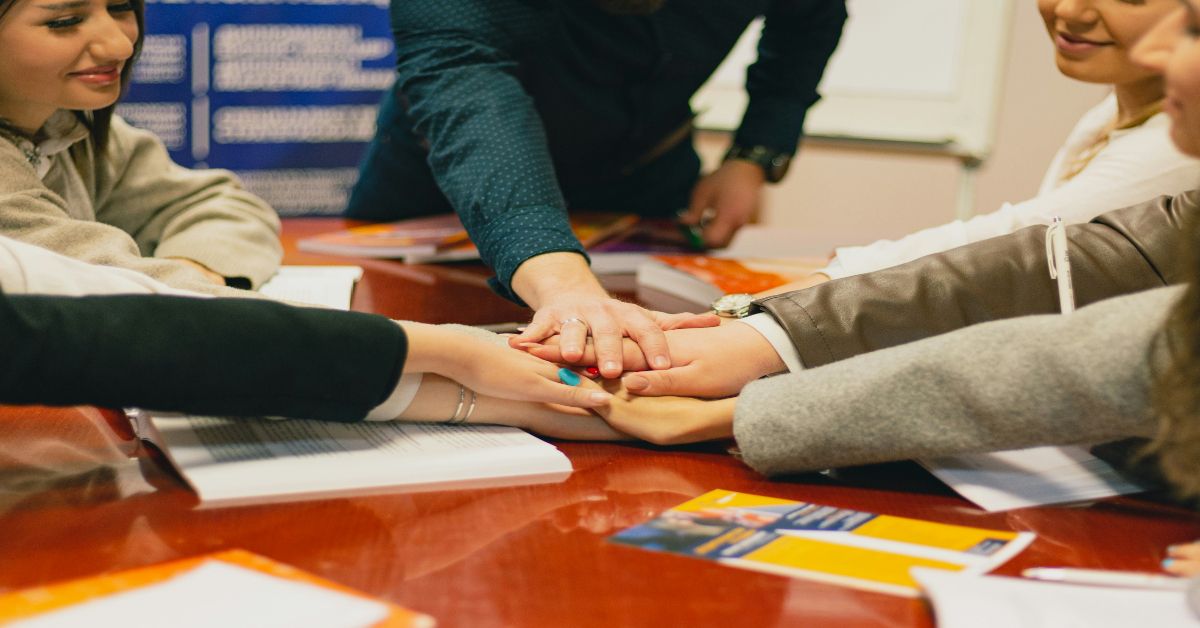
Camaraderie is often described as the feeling of fellowship that emerges when people share experiences, responsibilities, and objectives. While the term is commonly associated with workplaces and sports teams, its influence extends far beyond professional settings. Communities, educational institutions, volunteer groups, and even online networks rely on similar dynamics to build cooperation and shared purpose.
In an era where many people work remotely, collaborate across continents, and communicate primarily through digital platforms, the importance of meaningful human connection has become a growing topic of discussion. Researchers continue to explore how workplace friendships, social support systems, and team cohesion affect productivity, engagement, well-being, and innovation. Recent studies suggest that social connections at work can positively influence health, motivation, and organizational outcomes.
Understanding camaraderie is therefore not simply about improving morale. It is about understanding how relationships shape performance, resilience, and long-term success. This article examines the concept of camaraderie, its benefits and limitations, its role in modern organizations, and what its future may look like through 2027.
Background and Context
The word “camaraderie” originates from terms relating to companionship and shared living arrangements. Over time, it evolved to represent bonds formed through collective experiences and mutual reliance.
Historically, camaraderie has been associated with:
- Military units
- Athletic teams
- Exploration groups
- Trade organizations
- Community initiatives
What these environments share is a common challenge or purpose. Individuals develop trust through repeated interaction, shared responsibility, and collective achievement.
Modern organizational psychology often connects camaraderie with concepts such as:
- Social connection
- Team cohesion
- Workplace friendship
- Social support
- Psychological safety
Research spanning decades has shown that teamwork is fundamental to organizational effectiveness and innovation. However, effective teamwork rarely emerges automatically; it develops through communication, trust-building, and shared experiences.
The Current Landscape of Camaraderie
The nature of camaraderie has changed significantly over the last decade.
Traditional Workplaces
In conventional office settings, camaraderie often develops through:
- Informal conversations
- Shared projects
- Team celebrations
- Mentorship relationships
- Everyday interactions
These experiences create familiarity and trust over time.
Hybrid and Remote Teams
Remote work has introduced new challenges.
Teams now collaborate through:
- Video meetings
- Messaging platforms
- Project management tools
- Virtual events
While technology enables communication, it does not automatically create connection. Many organizations are exploring new approaches to foster belonging among distributed teams. Research on workplace social connections highlights the growing importance of intentional relationship-building in modern work environments.
Beyond the Workplace
Camaraderie also plays an important role in:
- Sports clubs
- Educational institutions
- Volunteer organizations
- Gaming communities
- Local community groups
The underlying principle remains consistent: people are more likely to collaborate effectively when they feel connected to one another.
Table 1: Framework for Understanding Camaraderie
| Element | Description | Outcome |
| Shared Goals | Common objectives or missions | Alignment |
| Trust | Confidence in teammates | Reliability |
| Communication | Open exchange of information | Coordination |
| Mutual Support | Helping others succeed | Resilience |
| Respect | Recognition of individual value | Inclusion |
| Shared Experiences | Collective challenges and successes | Stronger bonds |
Real-World Impact of Camaraderie
Workplace Performance
Social support within organizations has been linked to higher employee engagement and stronger workplace outcomes. A nationwide study of workers in Japan found positive associations between workplace social support and engagement levels.
Health and Well-Being
Social connection is increasingly recognized as an important contributor to overall well-being. Researchers note that workplace relationships can affect mental health, physical health, and employee satisfaction.
Innovation and Problem Solving
Teams with strong interpersonal relationships often communicate more openly, making it easier to share ideas and resolve challenges collaboratively. Studies on teamwork consistently identify cooperation and coordination as critical components of innovation.
Retention and Organizational Culture
Employees who feel connected to colleagues are often more likely to remain engaged with their organizations. Workplace friendships can contribute to stronger commitment and improved morale.
Benefits and Opportunities
Increased Trust
Trust reduces friction within teams. When individuals believe colleagues will fulfill responsibilities, collaboration becomes more efficient.
Better Communication
Camaraderie encourages openness. Team members are generally more willing to share concerns, ideas, and feedback.
Greater Resilience
Groups with strong social bonds often recover more effectively from setbacks because members support one another during difficult periods.
Enhanced Motivation
Shared purpose can increase commitment to collective goals. Individuals frequently work harder when they feel connected to a broader mission.
Improved Learning
Strong relationships facilitate knowledge sharing and mentorship opportunities.
Stronger Sense of Belonging
People naturally seek connection. Camaraderie fulfills this need by creating an environment where individuals feel valued and included.
Risks and Limitations
Although camaraderie is generally beneficial, it is not without potential drawbacks.
Groupthink
Teams that become overly cohesive may discourage dissenting opinions.
Favoritism
Research on workplace camaraderie has identified situations where strong social bonds can contribute to personal biases, favoritism, and organizational challenges.
Exclusion
Existing groups may unintentionally make newcomers feel unwelcome.
Reduced Accountability
Friendships can sometimes complicate objective decision-making.
Blurred Professional Boundaries
Organizations must balance social connection with professional standards and performance expectations.
Original Observations: Three Often-Overlooked Realities
1. Camaraderie Cannot Be Forced
Many organizations invest heavily in team-building activities. However, genuine camaraderie emerges through meaningful experiences rather than mandatory social events.
2. Digital Communication Creates Connection Gaps
Remote collaboration tools improve efficiency but may reduce spontaneous interactions that traditionally helped relationships develop.
3. Inclusion Is More Important Than Similarity
The strongest teams are not necessarily those whose members share similar backgrounds. They are often teams where different perspectives are respected and integrated effectively.
Table 2: Camaraderie Across Different Environments
| Environment | Primary Goal | How Camaraderie Develops |
| Workplace | Organizational success | Shared projects and collaboration |
| Sports Teams | Competitive performance | Training and competition |
| Schools | Learning and development | Group activities and peer support |
| Volunteer Groups | Community impact | Shared service experiences |
| Remote Teams | Distributed collaboration | Consistent communication and trust-building |
Practical Takeaways
Organizations and communities seeking stronger camaraderie can focus on:
Encourage Shared Goals
People connect more easily when they understand and support a common purpose.
Create Opportunities for Collaboration
Meaningful teamwork often builds stronger relationships than isolated work.
Support Open Communication
Psychological safety encourages participation and trust.
Recognize Contributions
Acknowledging individual efforts strengthens mutual respect.
Foster Inclusion
Healthy camaraderie should expand belonging rather than create exclusive groups.
Invest in Leadership
Leaders play a central role in shaping team culture and interpersonal dynamics.
Expert Perspective
Researchers studying workplace relationships increasingly emphasize the importance of social connection. Recent evidence suggests that social support, workplace friendships, and collaborative relationships can influence engagement, health outcomes, innovation, and overall organizational effectiveness.
At the same time, experts caution that organizations should monitor potential unintended consequences, including favoritism and exclusionary behavior. Effective leadership helps maintain a balance between connection and fairness.
The Future of Camaraderie Through 2027
Several trends are likely to shape camaraderie over the coming years.
Hybrid Work Will Remain Common
Organizations will continue refining strategies for maintaining team cohesion across physical and digital environments.
Technology Will Support Relationship Building
Collaboration platforms may increasingly incorporate features designed to strengthen social interaction and team engagement.
Employee Expectations Will Evolve
Workers are placing greater value on culture, belonging, and meaningful workplace relationships.
Inclusion Will Become Central
Future organizational success may depend less on creating tight-knit groups and more on building inclusive communities where diverse individuals feel connected.
Economic Pressures Will Test Team Dynamics
Periods of uncertainty often reveal whether organizations have developed resilient cultures capable of sustaining collaboration under stress.
Key Insights
- Camaraderie is built through shared experiences and mutual support.
- Trust remains the foundation of effective teamwork.
- Strong social connections contribute to engagement and well-being.
- Remote work requires intentional efforts to maintain team cohesion.
- Excessive cohesion can create risks such as favoritism and groupthink.
- Inclusive cultures tend to sustain healthier forms of camaraderie.
- Future workplace strategies will increasingly prioritize belonging and connection.
Conclusion
Camaraderie remains one of the most influential yet often underestimated aspects of human collaboration. It shapes how teams communicate, how organizations perform, and how individuals experience belonging. While technology continues to transform the ways people work and interact, the fundamental need for trust, support, and shared purpose has not changed.
The evidence suggests that strong social connections can contribute to healthier workplaces, greater engagement, and more effective teamwork. Yet successful camaraderie requires balance. Organizations and communities must encourage connection while preserving accountability, fairness, and diversity of thought.
As workplaces become increasingly hybrid and globally distributed, the ability to foster genuine human relationships may become an even more important competitive advantage. The teams that succeed will likely be those that combine strong interpersonal bonds with inclusive practices and clear shared goals.
FAQ
What is the meaning of camaraderie?
Camaraderie refers to a sense of friendship, trust, and mutual support among people who share experiences or work toward common goals. It is commonly associated with teamwork and collaboration.
Why is camaraderie important in the workplace?
It can improve communication, trust, engagement, and cooperation. Strong workplace relationships may also contribute to employee well-being and retention.
Is camaraderie the same as teamwork?
Not exactly. Teamwork refers to people working together toward a goal, while camaraderie describes the positive relationships and sense of connection that often develop within teams.
Can remote teams build camaraderie?
Yes. Consistent communication, shared objectives, virtual collaboration, and intentional relationship-building can help remote teams develop strong connections.
What are the risks of too much camaraderie?
Potential risks include favoritism, groupthink, exclusion of newcomers, and reduced objectivity in decision-making.
How can leaders encourage camaraderie?
Leaders can promote trust, recognize contributions, support inclusion, encourage collaboration, and create opportunities for meaningful interaction.
Does camaraderie improve performance?
Research indicates that social support and effective teamwork are associated with higher engagement, productivity, and innovation in many organizational settings.
Methodology
This article was developed using peer-reviewed research, academic publications, workplace psychology literature, and organizational behavior studies. Sources were selected based on relevance, credibility, publication quality, and recency where available. The analysis aims to present a balanced interpretation of current evidence while acknowledging that the effects of camaraderie can vary across industries, cultures, and organizational structures.
References
Birmingham, W. C., Holt-Lunstad, J., Herr, R. M., & Barth, A. (2024). Social Connections in the Workplace. American Journal of Health Promotion. https://doi.org/10.1177/08901171241255204b
Gillman, J. C., Turner, M. J., & Slater, M. J. (2023). The role of social support and social identification on workplace outcomes. PLOS ONE, 18(7).
Grote, G., & Kozlowski, S. W. J. (2023). Teamwork doesn’t just happen: Policy recommendations from over half a century of team research. Policy Insights from the Behavioral and Brain Sciences, 9(1).
Mirando, T. J., Han, K., Vespi, C., & Colarelli, S. M. (2026). Friends With (Workplace) Benefits: Support, Affect, Health, Performance, and Innovation Outcomes. Journal of Leadership & Organizational Studies.
Mori, T., Nagata, T., Odagami, K., et al. (2023). Workplace Social Support and Work Engagement Among Japanese Workers. Journal of Occupational and Environmental Medicine, 65(7), e514–e519.
Raza, M., et al. (2023). Concept of workplace camaraderie: Developing and testing an integrated model leading to incivility. International Journal of Conflict Management.