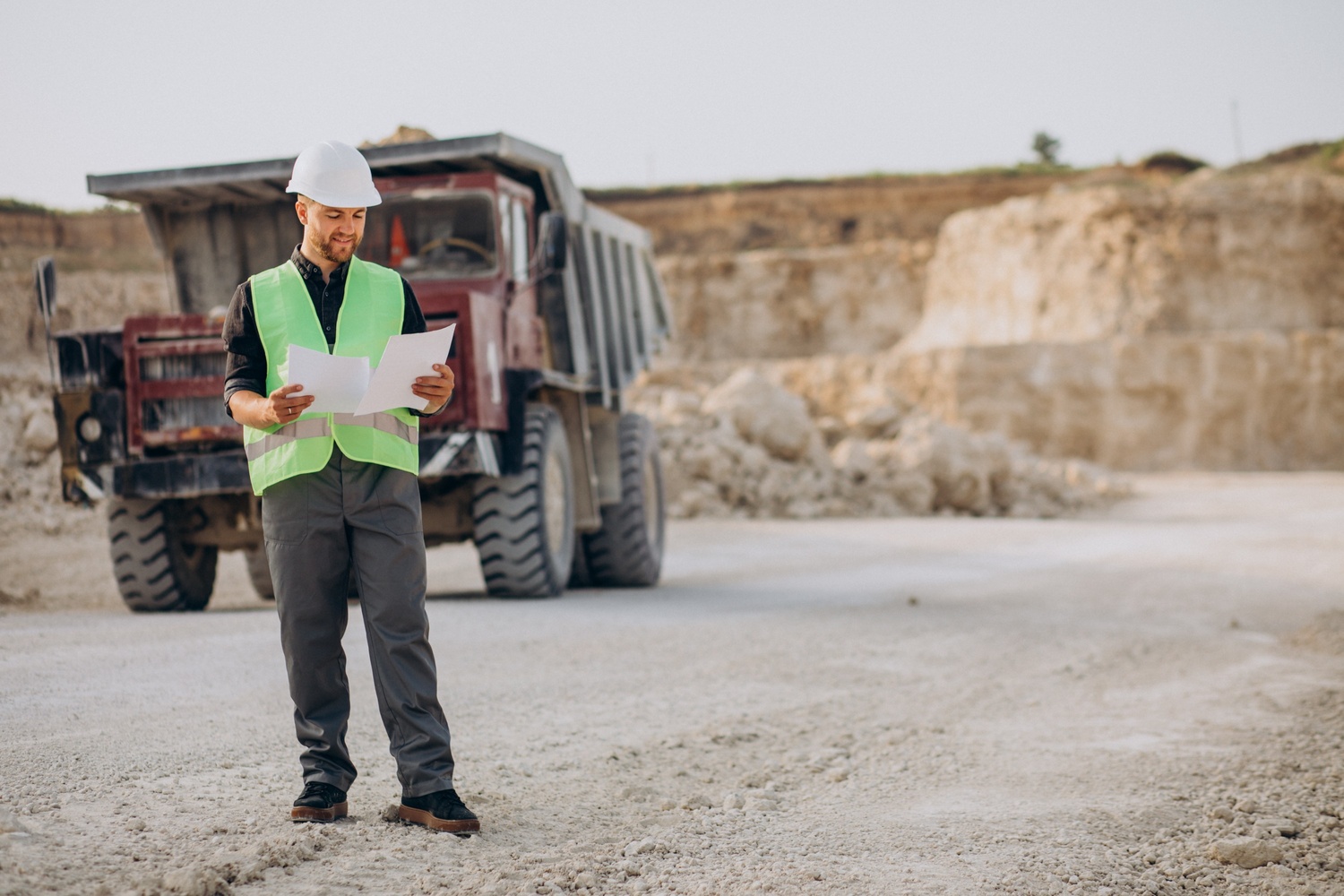
Civial specialized roadworks construction companies are the unsung architects of modern mobility. Every highway, arterial road, or bridge we travel on is the result of meticulous planning, engineering precision, and persistent execution by these firms. Their work goes far beyond laying asphalt; it encompasses earthworks, drainage systems, traffic engineering, surveying, and long-term maintenance—each aspect critical to creating durable and safe transport networks. Road construction is a complex discipline, demanding knowledge of materials, environmental planning, logistics, and strict adherence to safety standards.
From local contractors handling municipal projects to multinational firms managing cross-continental highways, these companies shape how societies move, trade, and grow. Roads are more than infrastructure—they are lifelines, enabling commerce, connecting communities, and ensuring access to essential services. Poorly executed roadworks can lead to accidents, frequent repairs, and economic inefficiency, while high-quality construction fosters safety, efficiency, and long-term economic benefits. Civil specialized roadworks companies thus occupy a vital position at the intersection of engineering expertise, public service, and economic development.
The Role of Civil Specialized Roadworks Companies
Civial specialized roadworks construction companies focus exclusively on horizontal infrastructure, including roads, highways, bridges, and related civil engineering projects. Unlike vertical construction, which focuses on buildings and towers, these firms design and implement systems that underpin transport and mobility. Their responsibilities begin with feasibility studies, land surveys, and environmental impact assessments, ensuring that each project meets technical, ecological, and societal requirements.
Once planning is complete, execution involves clearing land, conducting earthworks, installing drainage and utility systems, and constructing the road layers—sub-base, base, and surface—using materials such as asphalt or concrete. Many firms also manage long-term maintenance, including resurfacing, structural reinforcement, and safety upgrades. By coordinating with government agencies, private developers, and public-private partnerships, these companies translate technical designs into operational, durable road networks.
Navigating Technical and Environmental Challenges
Modern roadworks projects must overcome significant technical and environmental challenges. Engineers must evaluate soil stability, water drainage, and the impact on local ecosystems while balancing community needs. Road alignment decisions often require complex environmental impact assessments to mitigate damage to habitats, waterways, and nearby communities.
Technological innovations have transformed road construction. Geographic Information Systems (GIS), Building Information Modeling (BIM), and advanced simulation tools allow engineers to optimize design, predict performance, and reduce material waste. GPS-guided equipment, automated pavers, and modern compactors improve precision and efficiency, ensuring long-lasting results. Sustainability has become a key priority, with companies increasingly using recycled materials and low-carbon alternatives to meet environmental standards while maintaining road quality.
Leading Firms and Local Specialists
Civial specialized roadworks companies operate globally and locally, but the core competencies remain consistent: precise planning, material expertise, project management, and adherence to safety and environmental standards.
Global leaders such as Italy’s Webuild S.p.A. manage massive infrastructure projects across continents, including highways, bridges, and tunnels. France’s Colas Group specializes in road construction and related civial engineering tasks like pipe-laying and traffic systems. In the UK, FM Conway focuses on highway maintenance, surfacing, and urban transport infrastructure. Even smaller, regional firms perform essential roles, delivering high-quality, localized infrastructure while adapting to community and environmental constraints.
Economic and Social Impact
The work of roadworks companies extends beyond construction; it shapes economies and communities. Roads reduce travel times, connect markets, and enable access to jobs, healthcare, and education. Studies consistently show that robust transport networks stimulate economic growth, improve trade efficiency, and enhance regional competitiveness.
From a social perspective, well-built roads improve safety, reducing accidents through proper drainage, signage, and durable surfaces. They facilitate emergency services, improve accessibility, and strengthen community resilience. In developing regions, these companies often face additional challenges such as limited funding, labor shortages, or political instability, yet their work remains indispensable for sustainable development.
Innovations and the Future of Roadworks
Civial specialized roadworks companies are continuously evolving. Innovations in materials science, automation, and digital design tools enhance efficiency, sustainability, and safety. Use of recycled asphalt, eco-friendly concrete, and smart road technologies reflects a growing focus on environmental responsibility.
Digital tools such as GIS and BIM allow real-time monitoring, predictive maintenance, and optimized traffic management, reducing costs and environmental impact. Autonomous construction equipment and AI-assisted planning are beginning to reshape workflows, promising higher precision and faster project completion. These innovations ensure that roadworks companies remain at the forefront of infrastructure development in the 21st century.
Conclusion
Civil specialized roadworks construction companies play a crucial role in connecting communities, supporting economies, and enabling safe mobility. Their work involves meticulous planning, engineering excellence, and a commitment to sustainability and public welfare. From local roads to international highways, these firms transform technical expertise into tangible societal benefits. As infrastructure demands grow and environmental considerations increase, the expertise of roadworks companies will remain vital, building not only roads but the foundation for resilient, thriving societies.
FAQs
What is a civil specialized roadworks construction company?
It is a firm that designs, builds, and maintains road infrastructure, ensuring safe and durable transport networks.
How does road construction differ from building construction?
Road construction focuses on horizontal infrastructure like roads and bridges, while building construction is vertical, including homes and commercial buildings.
What stages are involved in road construction?
Stages include planning, land surveying, earthworks, drainage installation, paving, and long-term maintenance.
Why is sustainability important in roadworks?
Sustainable practices reduce environmental impact while ensuring durability and cost-effectiveness.
Do roadworks companies provide maintenance services?
Yes, ongoing maintenance extends road lifespan and ensures safety for long-term use.