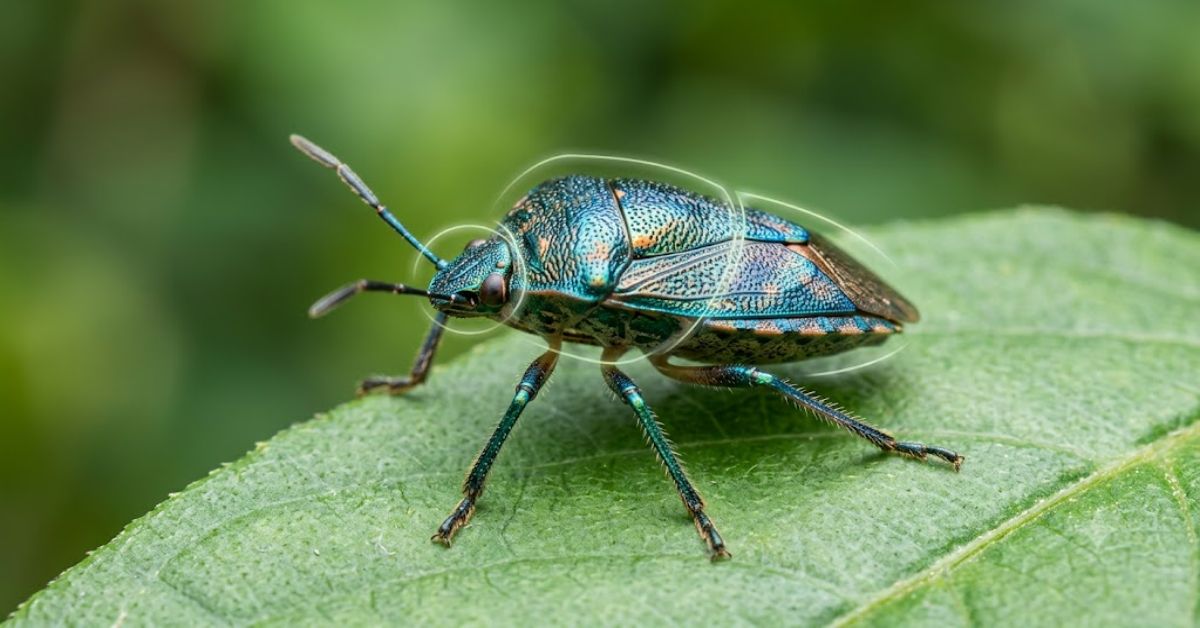
The question are insects animals is more common than it may seem, especially among students encountering biological classification for the first time. The short and scientifically accurate answer is yes—are insects animals is not a matter of debate in biology but a confirmed classification. Insects belong to the kingdom Animalia, which includes all multicellular organisms that are heterotrophic, lack rigid cell walls, and rely on consuming organic material for energy.
To fully understand why are insects animals, it is important to look at how life is structured in biological taxonomy. Scientists organise living organisms into hierarchical categories: kingdom, phylum, class, order, family, genus, and species. Insects fall under Animalia at the highest level, then branch into the phylum Arthropoda, which also includes spiders, crustaceans, and other invertebrates with exoskeletons.
The classification matters because it shapes how scientists study evolution, ecology, and biodiversity. Insects represent the largest group within the animal kingdom, accounting for more than half of all known living species. Their diversity makes them essential to ecosystems, from pollination to decomposition.
This article explores the scientific reasoning behind why are insects animals, how they are classified, what characteristics define them, and why their role in nature is far more significant than many people realise. It also breaks down common misconceptions and explains how biological systems group life on Earth.
Biological Classification: Where Insects Fit
To understand why are insects animals, we must first look at taxonomy.
All insects follow this classification structure:
- Kingdom: Animalia
- Phylum: Arthropoda
- Class: Insecta
This confirms that insects are not only animals but a specific class within a much larger biological system.
Key Characteristics That Confirm Insects Are Animals
Insects share core traits with all animals:
- Multicellular structure
- Lack of cell walls
- Ability to move at some life stage
- Heterotrophic nutrition (they consume organic matter)
These traits clearly place insects within the animal kingdom, reinforcing the answer to are insects animals.
Comparison: Insects vs Other Animal Groups
| Group | Backbone | Body Structure | Example |
| Insects | No | Exoskeleton, segmented body | Ant, bee, butterfly |
| Mammals | Yes | Internal skeleton, hair/fur | Human, dog, whale |
| Birds | Yes | Feathers, hollow bones | Eagle, sparrow |
| Reptiles | Yes | Scaly skin | Snake, lizard |
This comparison shows that while insects differ structurally, they still fall under the same kingdom, confirming again that are insects animals is biologically correct.
Why Insects Are Classified as Arthropods
When people ask are insects animals, confusion often arises because insects look very different from familiar animals like mammals or birds. However, their classification is based on shared evolutionary traits rather than appearance.
Insects belong to Arthropoda, defined by:
- Exoskeleton made of chitin
- Jointed limbs
- Segmented body structure
- Molting during growth
These features link insects to other arthropods such as spiders and crabs, forming one of the most successful evolutionary groups on Earth.
Data Insight: Insect Diversity in the Animal Kingdom
| Category | Estimated Number of Species | Percentage of Animal Kingdom |
| Insects | ~1,000,000 described | ~55–60% |
| All animals (total) | ~1,700,000 described | 100% |
| Vertebrates | ~70,000 | <5% |
This data highlights why are insects animals is not just a classification question but a reflection of biodiversity dominance.
Systems Analysis: Why Classification Matters
Biological classification is not just naming—it is a system for understanding relationships.
When scientists confirm are insects animals, they use shared evolutionary ancestry as the basis. This system helps:
- Track evolutionary development
- Understand ecological roles
- Predict behavioural patterns
- Study genetic relationships
Without this structure, studying biodiversity would be inconsistent and fragmented.
Strategic Implications in Science and Education
Understanding that are insects animals has practical implications:
- In education, it simplifies how biological systems are taught
- In agriculture, it helps identify beneficial vs harmful species
- In medicine, it supports research into insect-borne diseases
- In ecology, it clarifies food chain dependencies
Insects are not separate from animals—they are central to how ecosystems function.
Risks and Common Misconceptions
Despite scientific clarity, misconceptions persist:
- Some assume insects are a separate biological category
- Others confuse “animals” with only vertebrates
- Cultural perception often downplays insects as “lesser life forms”
These misunderstandings distort the answer to are insects animals, even though biology is definitive.
Another trade-off is emotional bias: people may reject insects as animals due to discomfort or fear, despite their ecological importance.
Real-World Impact of Insect Classification
Recognising that are insects animals influences:
- Conservation policies
- Pest control strategies
- Environmental impact assessments
- Biodiversity protection laws
For example, pollinators like bees are legally protected in many regions due to their ecological value as animals within fragile ecosystems.
Key Takeaways
- Insects are scientifically classified as animals in the kingdom Animalia
- They belong specifically to the phylum Arthropoda and class Insecta
- Their diversity makes them the most abundant animal group on Earth
- Classification helps scientists understand evolution and ecosystems
- Misconceptions arise from structural differences, not biological reality
- Insects play essential roles in environmental stability
- Their classification affects agriculture, conservation, and science policy
The Future of Insect Classification in 2027
By 2027, biological classification is expected to integrate more genetic sequencing data, refining how insects are categorised within evolutionary trees. Large-scale genomic projects such as those supported by international biodiversity initiatives are already reshaping taxonomy.
Key developments include:
- More precise DNA-based classification systems replacing morphology-heavy models
- Expanded conservation frameworks recognising insect ecosystem roles
- Increased regulatory focus on pollinator protection in agriculture policy
- Improved global biodiversity tracking systems
However, limitations remain in data coverage across tropical regions where insect diversity is highest. This means classification will continue evolving as new species are documented.
Conclusion
The question are insects animals has a straightforward scientific answer, but the reasoning behind it reveals a far more complex biological system. Insects belong to the kingdom Animalia and represent one of the most diverse and ecologically significant groups of organisms on Earth.
Their classification within Arthropoda explains their structural differences from vertebrates while still confirming their place in the animal kingdom. Understanding this system is essential for biology, ecology, and environmental science.
As taxonomy evolves with genetic research, insect classification will become even more refined, but their identity as animals will remain unchanged. Their role in ecosystems ensures that they are not only part of the animal kingdom but one of its most critical foundations.
FAQ
Why are insects considered animals?
Insects are multicellular organisms that consume organic matter and lack cell walls, placing them in the kingdom Animalia.
Are insects animals or a separate group?
They are animals. Specifically, they are invertebrates within the phylum Arthropoda.
Do all insects belong to the same class?
Yes, all insects belong to the class Insecta within Arthropoda.
How do insects differ from mammals?
Insects lack backbones and have exoskeletons, while mammals have internal skeletons and vertebrae.
Why do people think insects are not animals?
Misconceptions arise because insects look very different from vertebrates like humans or dogs.
How many insect species exist?
Scientists have described around one million insect species, with many more likely undiscovered.
Methodology
This article is based on established biological taxonomy frameworks and widely accepted scientific classifications from zoological and educational institutions. Information was synthesised from general biology consensus regarding Kingdom Animalia and Phylum Arthropoda classifications.
Sources include publicly available educational references such as zoology textbooks and institutional biology summaries. No experimental fieldwork was conducted. The analysis is limited to secondary scientific literature and may not reflect newly discovered species not yet classified in standard taxonomic systems.
Counterarguments primarily stem from public misconceptions rather than scientific disagreement; all major biological authorities consistently classify insects as animals.