MidAmerican Energy is a regulated utility company serving electric and natural gas customers across Iowa, Illinois, Nebraska, and South Dakota. Known for its long-standing slogan, “Obsessively, Relentlessly At Your Service,” the company provides essential energy infrastructure to homes, businesses, and industrial customers throughout the Midwest.
As energy markets evolve, utilities face growing pressure to maintain affordable rates while modernizing infrastructure and reducing carbon emissions. MidAmerican Energy has become a notable example of this balancing act. The company has invested heavily in renewable energy, particularly wind generation, while continuing to operate traditional power assets to support reliability.
For customers, policymakers, and businesses considering expansion within the region, understanding MidAmerican’s strategy provides valuable insight into how modern utility companies are adapting to changing energy demands. This article explores the company’s history, operational footprint, renewable energy initiatives, customer impact, opportunities, limitations, and future outlook through 2027.
Background and Context
MidAmerican Energy is headquartered in Des Moines, Iowa, and operates as a subsidiary of Berkshire Hathaway Energy. The company serves more than 1.6 million customers and employs thousands of workers across its service territory.
Its service footprint includes:
| State | Primary Services |
| Iowa | Electric and natural gas |
| Illinois | Electric and natural gas |
| South Dakota | Electric and natural gas |
| Nebraska | Natural gas |
The company manages extensive infrastructure, including power lines, utility poles, and natural gas distribution systems that support residential and commercial energy needs.
Historically, MidAmerican has emphasized long-term infrastructure investment rather than short-term expansion. This approach has shaped its reputation within the utility industry.
Current Landscape
Today’s utility environment is defined by several competing priorities:
Rising Electricity Demand
Data centers, electrification efforts, electric vehicles, and industrial growth are increasing electricity demand throughout the United States. MidAmerican acknowledged this trend through proposed generation projects intended to support future demand growth.
Renewable Energy Expansion
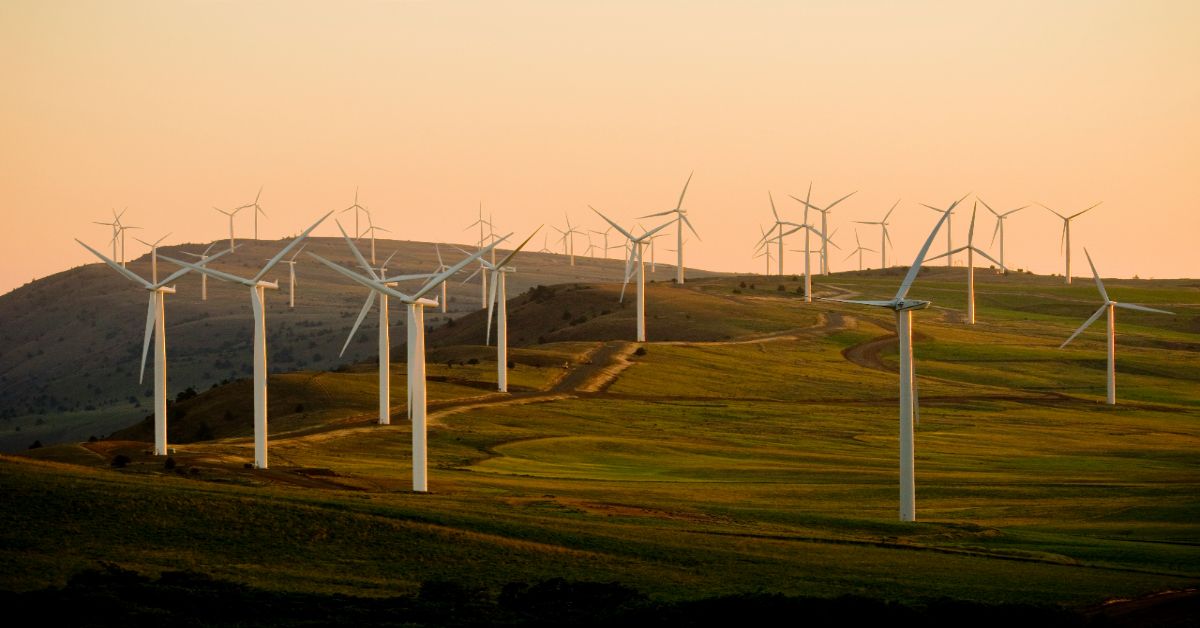
MidAmerican has become one of the nation’s most visible utility investors in wind energy. According to Berkshire Hathaway Energy, the company operates more than 3,500 wind turbines across Iowa and owns approximately 7,800 megawatts of wind generation capacity.
Reliability Expectations
Customers increasingly expect uninterrupted service despite severe weather events, aging infrastructure, and evolving generation sources. Maintaining reliability while transforming the energy mix remains a major operational challenge for utilities nationwide.
Table 1: MidAmerican Energy Strategic Framework
| Priority | Objective | Key Challenge |
| Reliability | Maintain consistent service | Extreme weather and demand growth |
| Affordability | Keep rates competitive | Infrastructure investment costs |
| Sustainability | Expand renewable energy | Grid integration complexity |
| Customer Service | Improve user experience | Evolving customer expectations |
| Infrastructure | Modernize systems | Long investment timelines |
Real-World Impact
Residential Customers
For households, MidAmerican’s influence extends beyond monthly utility bills. Reliable electricity supports heating, cooling, communication, healthcare equipment, and daily activities.
The company’s energy efficiency programs, rebates, and marketplace offerings are designed to help customers reduce energy consumption and manage costs.
Businesses and Industry
MidAmerican frequently highlights the role of energy affordability in regional economic development. The company reports competitive energy rates and high system reliability as factors that help attract business investment throughout its service territory.
Local Communities
The utility also contributes through community programs, charitable initiatives, workforce development, and infrastructure investment projects. Its CARES program supports community enhancement, education, environmental initiatives, and safety programs.
Benefits and Opportunities
Strong Renewable Energy Portfolio
One of MidAmerican’s most significant achievements is its large-scale wind generation network. The company has invested billions of dollars in renewable projects over multiple decades.
Long-Term Infrastructure Planning
Utility infrastructure requires decades-long planning horizons. MidAmerican’s ongoing investments in transmission systems, generation assets, and distribution networks position it to meet future demand requirements.
Economic Development Support
Reliable energy remains a critical factor in attracting manufacturing facilities, technology companies, and industrial operations. MidAmerican actively markets its service territory as a business-friendly region.
Energy Efficiency Programs
Programs that encourage lower consumption can reduce energy costs for customers while easing pressure on the electrical grid. These initiatives often deliver benefits regardless of fuel source or generation method.
Risks and Limitations
Infrastructure Costs
Modernizing energy systems requires substantial capital investment. While these upgrades can improve reliability and sustainability, they also create financial pressures that utilities must manage carefully.
Renewable Integration Challenges
Wind and solar resources are weather dependent. Utilities must maintain backup generation and grid stability measures to ensure continuous service when renewable output fluctuates.
Environmental Scrutiny
Although MidAmerican is widely recognized for renewable energy investments, environmental organizations and journalists have also highlighted the continued operation of coal-fired generation assets within the broader Berkshire Hathaway Energy portfolio.
Customer Experience Friction
An overlooked challenge for utilities involves digital customer experience. Community discussions have occasionally highlighted frustrations regarding account management, charging infrastructure, and service processes. While anecdotal, these concerns reflect changing customer expectations.
Original Editorial Observations
1. Renewable Leadership Does Not Eliminate Reliability Pressures
MidAmerican demonstrates that large renewable portfolios still require conventional backup resources and grid investments. Renewable generation alone does not solve reliability challenges.
2. Infrastructure Is Becoming a Competitive Advantage
Utilities increasingly compete for economic development opportunities. Regions with dependable, affordable energy may gain advantages when attracting manufacturing and technology investment.
3. Customer Experience Is Emerging as a Strategic Utility Issue
Historically, utilities competed primarily on reliability and rates. Today, digital services, billing systems, EV charging experiences, and communication quality are becoming important differentiators.
Table 2: MidAmerican Energy Snapshot
| Metric | Approximate Figure |
| Customers Served | More than 1.6 million |
| States Served | 4 |
| Employees | More than 3,400 |
| Wind Turbines | More than 3,500 |
| Wind Capacity | Approximately 7,800 MW |
| Headquarters | Des Moines, Iowa |
Sources: MidAmerican Energy and Berkshire Hathaway Energy.
Practical Takeaways
For residential customers:
- Review available energy-efficiency rebates.
- Monitor usage trends regularly.
- Consider smart home technologies that reduce consumption.
For business customers:
- Evaluate long-term energy requirements before expansion.
- Explore utility incentive programs.
- Assess infrastructure availability when selecting locations.
For policymakers:
- Balance affordability goals with infrastructure investment needs.
- Consider grid reliability alongside sustainability targets.
Expert Perspective
Utility industry experts generally agree that the next decade will require significant investment in generation capacity, transmission systems, and grid modernization. Increasing electrification, data center growth, and renewable integration are reshaping utility planning across North America. MidAmerican’s proposed generation projects reflect broader industry trends toward capacity expansion and resource diversification.
The Future of MidAmerican Energy Through 2027
Several factors are likely to shape MidAmerican’s trajectory through 2027:
Regulation
Utility regulation will continue influencing infrastructure investment decisions, rate structures, and renewable energy development.
Growing Energy Demand
Electrification and industrial growth are expected to increase pressure on generation capacity and transmission infrastructure.
Renewable Energy Development
Wind energy will likely remain central to MidAmerican’s strategy, though future investments may increasingly include energy storage and other complementary technologies.
Grid Modernization
Utilities nationwide are investing in smarter distribution systems, enhanced monitoring, and improved resilience measures.
Affordability Focus
Customer sensitivity to utility costs will remain a major consideration as companies balance investment requirements with rate impacts.
Key Insights
- MidAmerican Energy serves more than 1.6 million customers across four states.
- Renewable energy investment remains a defining characteristic of its strategy.
- Reliability continues to be a critical operational priority.
- Economic development and energy affordability are closely linked.
- Grid modernization will likely accelerate through 2027.
- Customer experience is becoming increasingly important.
- Utilities must balance sustainability goals with infrastructure realities.
FAQ
What is MidAmerican Energy?
MidAmerican Energy is a regulated utility company providing electric and natural gas services across Iowa, Illinois, South Dakota, and Nebraska. It is a subsidiary of Berkshire Hathaway Energy.
How many customers does MidAmerican Energy serve?
The company serves more than 1.6 million electric and natural gas customers throughout its service territory.
Where is MidAmerican Energy headquartered?
MidAmerican Energy is headquartered in Des Moines, Iowa.
Is MidAmerican Energy focused on renewable energy?
Yes. The company has invested heavily in wind generation and operates one of the largest utility-owned wind portfolios in the United States.
Does MidAmerican Energy provide natural gas service?
Yes. The utility provides natural gas service throughout parts of Iowa, Illinois, South Dakota, and Nebraska.
Why is grid reliability important for utilities?
Reliable electricity supports homes, businesses, healthcare facilities, transportation systems, and critical infrastructure. Utilities must maintain consistent service regardless of weather conditions or demand fluctuations.
What challenges does MidAmerican face through 2027?
Key challenges include increasing electricity demand, infrastructure modernization costs, renewable energy integration, regulatory requirements, and maintaining affordable customer rates.
Conclusion
MidAmerican Energy occupies an important position within the Midwestern energy landscape. Serving more than 1.6 million customers, the company operates at the intersection of several major industry trends: renewable energy expansion, infrastructure modernization, grid reliability, and affordability. Its extensive wind energy investments have made it a notable example of how regulated utilities can pursue cleaner generation while maintaining essential service obligations.
At the same time, the company’s future will depend on its ability to navigate growing energy demand, regulatory oversight, customer expectations, and evolving technology. The broader utility sector faces similar challenges, making MidAmerican a useful case study in the practical realities of energy transition.
Rather than representing a simple success story or criticism, MidAmerican illustrates the complexity of modern utility management: delivering dependable energy today while preparing for a fundamentally different energy system tomorrow.
Methodology
This article was developed using publicly available information from MidAmerican Energy, Berkshire Hathaway Energy, company service territory documentation, and recent reporting. Sources were evaluated for credibility, publication date, and relevance. Where differing viewpoints existed, the article aimed to present a balanced interpretation. Operational figures and customer counts may change over time as utility infrastructure and service territories evolve.
References
Berkshire Hathaway Energy. (2026). MidAmerican Energy Company. Retrieved from https://www.brkenergy.com/our-businesses/midamerican-energy-company
Berkshire Hathaway Energy. (2026). Wind Energy. Retrieved from https://www.brkenergy.com/energy/wind
MidAmerican Energy. (2026). About Our Company. Retrieved from https://www.midamericanenergy.com
MidAmerican Energy. (2026). Business Advantages. Retrieved from https://www.midamericanenergy.com/business-advantages
MidAmerican Energy. (2026). Service Territory. Retrieved from https://www.midamericanenergy.com
Reuters. (2025). Buffett’s Berkshire Hathaway operates the dirtiest set of coal-fired power plants in the US. Retrieved from https://www.reuters.com/investigations/buffetts-berkshire-hathaway-operates-dirtiest-set-coal-fired-power-plants-us-2025-01-14/