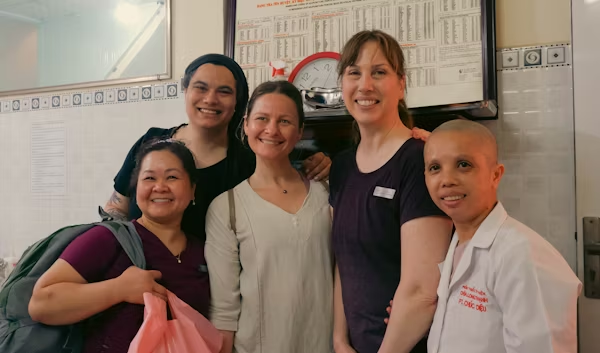
Mental wellness is becoming a central conversation in today’s world, and people are finally embracing the truth that mental health deserves just as much attention as physical health. In this landscape, Fellowship Health Resources stands out as an organization dedicated to uplifting people who live with mental health conditions, substance-use challenges, and life-disrupting struggles. Their mission goes far beyond care—they provide connection, empowerment, and hope.
This article explores what Fellowship Health Resources does, why it matters, how it transforms lives, and why its approach continues to make an impact in the behavioral health field.
Understanding What Fellowship Health Resources Is
Fellowship Health Resources, often known as FHR, is a behavioral healthcare organization focused on helping people dealing with mental health disorders, addiction recovery, and long-term psychiatric conditions. Their services are designed to support individuals in rebuilding their independence, emotional stability, and sense of purpose.
What makes the organization unique is its belief that every individual deserves a chance at recovery, no matter where they are in their personal journey. They offer structured support, compassionate care, and programs that help people develop practical life skills.
Why Behavioral Health Services Are More Important Than Ever
Modern lifestyles bring stress, isolation, trauma, and pressure. As a result, mental health conditions have become increasingly common across different age groups. Many individuals struggle silently for years because they feel misunderstood or judged.
This is where organizations like Fellowship Health Resources play a crucial role. They step in to provide safe spaces, professional guidance, and evidence-based treatment that empowers individuals to recover and reconnect with their communities.
Behavioral health services aren’t just about treating conditions—they’re about helping people live more meaningful and manageable lives.
A Person-Centered Approach That Builds Trust
One of the strongest qualities of Fellowship Health Resources is their person-centered approach. Instead of using a one-size-fits-all plan, they carefully tailor support to meet each client’s unique needs.
They take time to understand:
What challenges the person is facing
What emotional or environmental factors may be affecting their condition
What level of support they need to move forward
This compassionate approach builds trust. It allows clients to feel seen, heard, and respected throughout their recovery journey. When individuals know they have a supportive team behind them, they feel more motivated and confident in their progress.
Mental Health Services That Promote Independence
Fellowship Health Resources is committed to improving overall quality of life. Their mental health programs help individuals regain control over their emotions, behaviors, and daily functioning.
These services usually include therapeutic interventions, skill-building sessions, and supportive guidance. The goal is not just to cope but to thrive. Many individuals progress from needing structured support to living more independently with a renewed sense of self-worth.
For people dealing with anxiety, depression, bipolar disorder, PTSD, schizophrenia, or other conditions, this type of consistent support can create significant change.
Substance Use Recovery Programs That Make a Real Difference
Addiction is a complex, deeply personal struggle. Fellowship Health Resources provides recovery-focused services for individuals attempting to break free from substance dependence. Instead of treating addiction in isolation, they look at the emotional, social, and environmental factors that contribute to it.
Their approach helps individuals:
Understand their triggers
Develop healthier coping mechanisms
Rebuild broken or weakened relationships
Strengthen their resilience
Many individuals who seek help through FHR find that the supportive atmosphere gives them the courage to pursue long-lasting recovery.
Community-Based Support That Encourages Growth
Isolation is often one of the biggest barriers to mental wellness. Fellowship Health Resources works to rebuild community connections by offering programs that involve peer support, social engagement, and group learning.
These community-based settings allow individuals to meet others who share similar challenges. Sharing stories and progress can create a strong sense of belonging. It reassures individuals that they are not alone and that recovery is possible at every step.
The organization also encourages clients to participate in community activities, volunteer opportunities, or skill-building workshops that help them regain confidence.
Housing Services That Create Stability
A stable living environment is essential for mental and emotional well-being. Fellowship Health Resources understands this, which is why they offer supportive housing services for individuals who need safe, structured living conditions.
These housing programs often include onsite staff, daily support routines, and activities that help individuals practice self-care and independence. Having a secure place to live gives clients the foundation they need to focus on their treatment and personal development.
For many individuals, supportive housing becomes the first step toward long-term independence.
Vocational Support That Opens New Doors
Beyond therapy and treatment, Fellowship Health Resources helps individuals reintegrate into the workforce. Employment brings purpose, stability, and a sense of accomplishment.
Their vocational programs often include:
Job training
Resume building
Workplace skill development
Support in finding employment opportunities
This holistic approach ensures that individuals not only manage their conditions but also improve their life circumstances.
The Importance of Compassion in Behavioral Healthcare
Compassion is at the heart of everything FHR does. Behavioral health issues often come with stigma, misunderstanding, and frustration. A gentle, empathetic environment helps individuals feel safe enough to express themselves without fear of judgment.
This emotional safety is often the first step toward healing. When people feel valued and supported, they become more willing to engage in their own recovery.
Fellowship Health Resources creates environments where individuals feel uplifted, not overlooked.
Integrating Wellness and Life Skills
Mental health treatment goes beyond medication or one-on-one therapy. Fellowship Health Resources emphasizes total wellness, which includes building life skills that improve daily living.
Clients are often encouraged to participate in:
Wellness routines
Healthy lifestyle habits
Stress-management exercises
Communication skill training
By integrating real-world skills into treatment plans, individuals develop the confidence to handle life’s challenges independently.
Tailoring Care for Long-Term Success
One of the key factors that makes FHR so effective is their long-term commitment. Recovery doesn’t happen overnight, and many individuals need extended support. Their programs are designed with long-term stability in mind.
Each person’s progress is reviewed regularly, allowing treatment strategies to evolve over time. As clients grow stronger, their plans shift to encourage greater independence.
This continuous, adaptive support ensures long-lasting improvements rather than temporary solutions.
Building Stronger Communities Through Behavioral Health
Communities benefit tremendously when behavioral health services are readily accessible. Fellowship Health Resources plays a role not just in supporting individuals but also in strengthening neighborhoods and families.
When people receive proper mental health care:
They form healthier relationships
They contribute positively to society
They experience better employment opportunities
They participate more actively in daily life
In this way, the ripple effect of their recovery strengthens everyone around them.
How Fellowship Health Resources Impacts Families
Mental health issues affect not only the individual but also the entire family system. FHR recognizes this and incorporates family support into many of their programs. Families can learn how to communicate, support their loved ones, and cope with emotional stress.
When families are educated and involved, recovery becomes smoother, more predictable, and more encouraging.
Creating Hope for Individuals and Communities
At its core, Fellowship Health Resources is about restoring hope. Many people approaching mental health organizations feel overwhelmed, discouraged, or unsure about the future. FHR’s services help shift this emotional weight into something lighter—something manageable.
By offering the right combination of professional care, emotional support, and everyday skills, they give individuals the chance to rebuild their lives one step at a time.
Conclusion
Fellowship Health Resources is more than a behavioral wellness organization—it is a community of caregivers dedicated to helping individuals regain stability, confidence, and independence. Their compassionate approach, diverse programs, and commitment to long-term growth make them an essential support system for people living with mental illness or addiction challenges.
Through personalized care and a strong belief in the potential of every individual, they continue to make a meaningful difference in the world of behavioral health.
FAQs
What is Fellowship Health Resources?
It is a behavioral health organization that supports individuals dealing with mental health conditions and substance-use challenges.
Do they provide addiction recovery services?
Yes, they offer supportive and therapeutic programs for individuals recovering from substance dependence.
Can individuals receive housing support?
Yes, they offer structured and supportive housing environments for clients who need stability.
Do they help with employment or job training?
They provide vocational assistance, including training and job-readiness support.
Is family involvement encouraged in their programs?
Families are often included to help strengthen communication and support systems.
Who can benefit from their services?
Anyone facing mental health struggles, addiction issues, or life-management challenges can benefit from their programs.