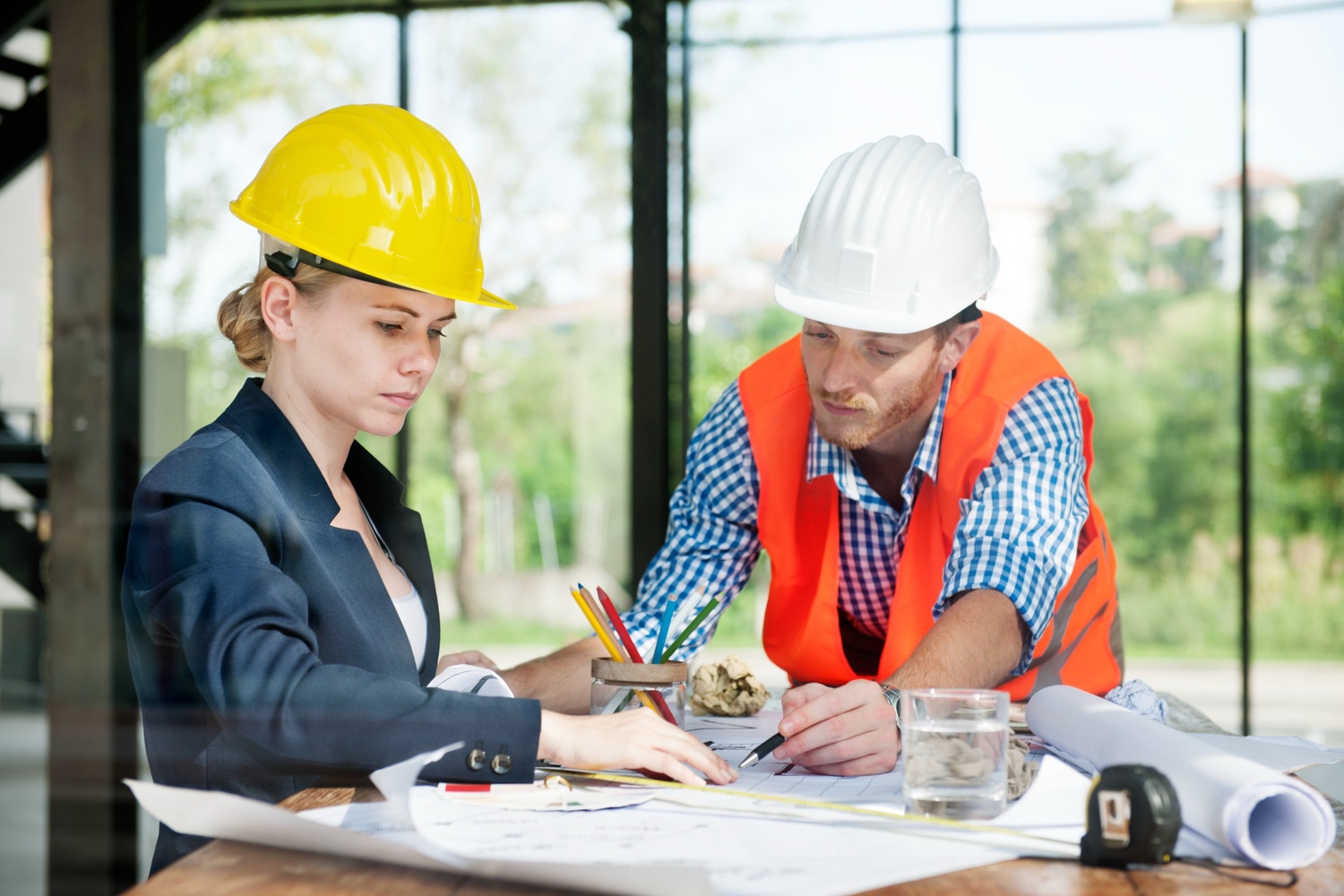
In the modern world, the skyline of any city, the bridges that connect communities, and the towers that define urban landscapes owe their existence to meticulous planning and engineering. Central to this planning is the Statiker — a term originating in German-speaking countries, referring to structural engineers responsible for analyzing and ensuring the safety and stability of all structures. Within the first few minutes of encountering a building, one may not realize the depth of calculations and planning involved in keeping it standing. Statiker are the analytical minds behind this stability, ensuring that structures withstand gravity, wind, seismic activity, and human loads. Their work is not just technical; it is a critical safeguard for public safety, often forming the backbone of architectural dreams and engineering feats.
A Statiker uses mathematical models and principles of physics to assess how forces interact with structural elements. They collaborate closely with architects, translating aesthetic visions into practical, safe structures. From high-rise towers to bridges and industrial facilities, every project requires their careful calculation and oversight. Statiker also play a vital role in renovations, ensuring that older structures comply with contemporary safety standards. Their expertise bridges the gap between theoretical engineering and practical application, combining safety, cost efficiency, and innovation to create structures that endure both time and natural forces.
The Role of Statiker in Structural Engineering
Structural engineering is one of the oldest branches of civil engineering, rooted in the study of statics — the equilibrium of forces in stationary objects. The Statiker applies this knowledge to modern construction projects, using tools that range from hand calculations to advanced computational software. They analyze loads, design supportive frameworks, and verify that every element of a structure can withstand expected stresses. The primary responsibility is ensuring that beams, columns, foundations, and walls can handle weight, environmental forces, and unforeseen events without failure.
Statiker are distinct from architects. While architects focus on the form, aesthetics, and functional aspects of a building, Statiker ensure that these designs are structurally viable. Their collaboration is crucial, as architectural innovation often pushes the limits of conventional structural principles. By integrating physics, material science, and engineering principles, Statiker provide the necessary foundation for creative and ambitious designs, ensuring that innovation never compromises safety.
Planning and Analysis
Before any construction begins, a Statiker assesses the proposed design and calculates how various loads will affect the structure. These loads include dead loads (permanent structural elements), live loads (occupants and furniture), environmental forces like wind and snow, and dynamic forces such as earthquakes or vibrations. The calculations involve complex formulas and simulations, often performed using finite element analysis software, which models how structures respond under different conditions. The results guide design adjustments, reinforcement strategies, and material selection, ensuring safety and compliance with building codes.
In addition to new constructions, Statiker play a vital role in retrofitting and evaluating existing structures. When a building is repurposed, expanded, or modified, structural engineers determine whether the current framework can support the changes. They identify potential weak points, suggest reinforcements, and ensure that any modifications comply with local regulations and safety standards.
Collaboration in Construction Projects
Statiker are integral throughout the construction process. In the early stages, they collaborate with architects and planners to align structural feasibility with design concepts. During construction, they review material submittals, inspect workmanship, and provide guidance to contractors. Their oversight ensures that deviations from the design or unforeseen challenges do not compromise safety. Once the project is completed, Statiker may conduct evaluations to verify that the building performs as intended and remains safe for occupancy.
Their expertise extends beyond conventional buildings. Bridges, tunnels, stadiums, and high-rise towers require specialized knowledge of load distribution, dynamic forces, and material behavior. Statiker apply advanced principles to ensure these structures endure natural disasters, heavy usage, and environmental challenges.
Tools and Techniques
Modern Statiker employ a wide range of tools to enhance precision and efficiency. Structural modeling software, 3D simulations, and finite element analysis allow engineers to test designs under various stress conditions before construction begins. These tools enable visualization of potential failure points, optimization of material usage, and refinement of structural elements. The combination of traditional engineering knowledge and digital tools provides a comprehensive approach to creating safe and resilient structures.
Dynamic simulations help predict how a building responds to seismic activity, wind gusts, or other environmental forces. By understanding these responses, Statiker design structural reinforcements such as bracing, shear walls, or damping systems that improve stability without compromising aesthetics.
Education and Professional Development
Becoming a Statiker requires rigorous education and training. A degree in civil or structural engineering is foundational, often supplemented by specialized coursework in mechanics, material science, and structural dynamics. Licensure or certification is required in many countries, ensuring that only qualified professionals undertake critical safety assessments. After graduation, aspiring Statiker gain experience under supervision, developing practical expertise alongside technical knowledge.
Beyond technical skills, successful Statiker must communicate complex concepts clearly to architects, contractors, and clients. Strong problem-solving abilities, attention to detail, and analytical thinking are essential traits. The profession demands both intellectual rigor and practical judgment to navigate the multifaceted challenges of real-world construction projects.
Global Reach and Local Impact
While the term Statiker is German in origin, the profession exists worldwide under various titles. Structural engineers everywhere share the same mission: to protect human life and ensure the durability of the built environment. Local building codes, environmental conditions, and material availability shape practices in different regions, but the scientific principles guiding structural engineering remain universal.
In heritage preservation, Statiker combine modern techniques with traditional materials to strengthen historic structures without altering their appearance. In seismic zones, they design resilient frameworks to minimize earthquake damage. In urban development, they optimize space while maintaining safety standards. Across these contexts, their work influences not only buildings but also community safety, economic investment, and urban planning.
Conclusion
Statiker represent the intersection of science, engineering, and practical problem-solving. Their work, often invisible to the public, is essential to the safety, durability, and functionality of modern infrastructure. By translating theoretical principles into real-world solutions, they ensure that buildings, bridges, and other structures withstand both natural and human challenges. As urban landscapes evolve and architecture becomes more ambitious, the expertise of Statiker will continue to underpin innovation while safeguarding lives and communities.
FAQs
What is a Statiker?
A Statiker is a structural engineer who calculates and verifies the stability and safety of buildings, bridges, and other structures.
Do Statiker only work on new constructions?
No. They also evaluate and reinforce existing structures, ensuring safety during renovations or expansions.
Why is a Statiker important?
They ensure structural integrity, prevent failures, and provide the technical foundation for safe and sustainable construction.
What education is required to become a Statiker?
A degree in civil or structural engineering, specialized coursework, and professional certification are typically required.
What tools do Statiker use?
They use structural modeling software, 3D simulations, finite element analysis, and other engineering tools for precise calculations.