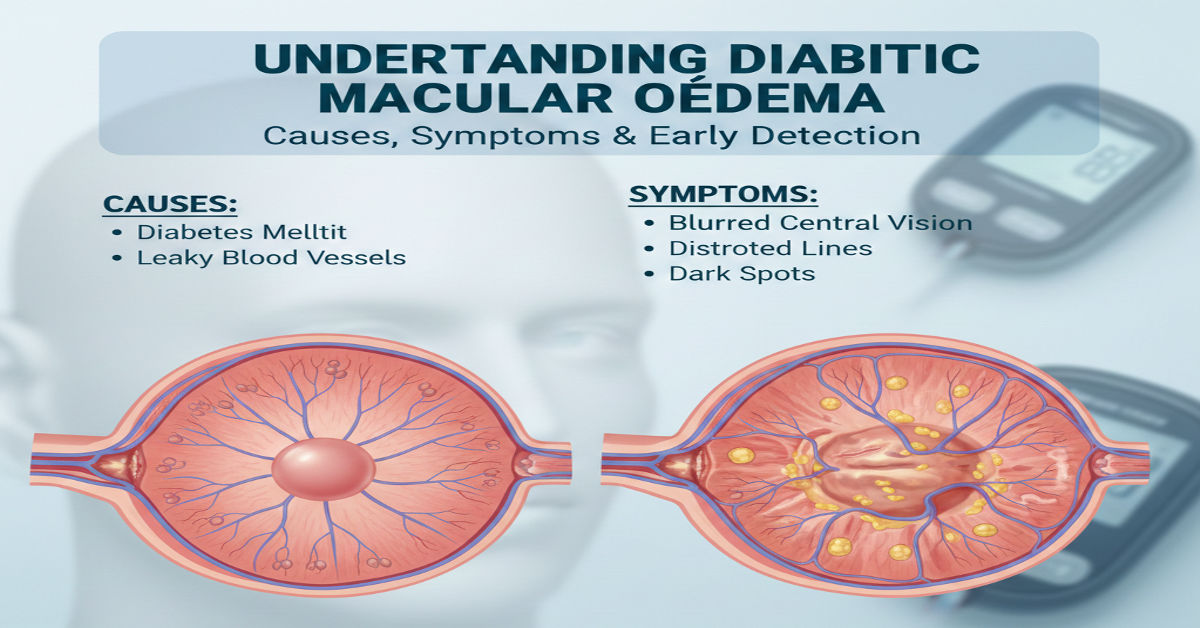
Diabetic macular oedema (DME) refers to a major eye complication associated with people who have diabetes. It develops as a result of fluid accumulation in the macula part of the retina in the eye responsible for center vision. Although it is one of the major causes of diabetic retinopathy, it can be managed in a way that major vision loss is avoided if it is detected in time. Knowledge about the causes, signs, and ways of detection is vital in eye health.
What is Diabetic Macular Oedema?
In diabetic macular oedema, the high blood sugar damages the blood vessels of the retina. As a result of which fluid leaks into the macula. Consequently, it swells. For activities like reading, driving, and face recognition, the macula is essential; thus, edema in this location can dramatically influence daily life. Also, if it remains untreated, it causes permanent vision loss.
Causes of Diabetic Macular Oedema
Prolonged high blood sugar, which damages retinal blood vessels, is the main source of DME. Eventually, these damaged arteries begin to seep fluid onto the macula. High blood pressure, high cholesterol, kidney problems, and smoking are among other contributing causes. Though people with poorly controlled diabetes are more vulnerable, adequate management of these risk factors lowers the chance of DME development.
Early Symptoms to Watch For
Early detection of diabetic macular oedema is critical. Common symptoms include distorted vision, blurred or wavy vision, problems with reading small text, and color appearance being less vivid. Some patients see black spots or an empty space in their visual fields. The onset of diabetic macular edema might not have distinctive symptoms at this point, therefore, frequent visual examinations are needed, especially in diabetic patients.
Risk Factors That Increase Vulnerability
There are various risk factors that might contribute to the development of DME. Long duration of diabetes is a major consideration; the risk increases with the duration of the diabetes. Poor blood sugar control, hypertension, high cholesterol, and obesity add to the list. Pregnancy increases the temporary risk in diabetic women. The more awareness one has about these factors, the better one is at taking precautionary measures and visiting an eye physician on time.
Diagnosis and Screening Methods
Eye specialists employ a number of methods to identify those suffering from DME. Comprehensive dilated eye examinations enable a doctor to closely monitor their retina. Optical coherence tomography (OCT) is one prominent imaging method that reveals detailed cross-sectional images of a macula to identify any swellings. Fluorescein angiography is another procedure whereby a dye is injected to observe leakage from blood vessels. Regular monitoring is necessary for all diabetics, even if they are not suffering from any symptoms.
Treatment Options Available
Treatment for diabetic macular oedema focuses on lowering fluid accumulation and protecting eyesight. Commonly used to stop additional leaking and improve retinal health, anti-VEGF injections help prevent further leakage. Laser therapy seals leaking blood arteries and stops oedema from getting worse. Corticosteroid injections are sometimes recommended. Maintaining ideal blood pressure, cholesterol, and blood sugar levels is also very important for the efficacy of these treatments.
Preventive Measures and Lifestyle Tips
Mostly depending on good diabetic management is how DME may be prevented. Maintaining blood sugar within target levels, regular physical exercise, and a healthy diet can help to lower the risk. Visiting eye specialists regularly is also important since DME can be treated promptly if it is identified earlier. Avoiding smoking, drinking less, and taking care of other medical conditions such as high blood pressure and high cholesterol are also effective in promoting good eye health. Knowing much about complications of diabetes helps one stay proactive about eye protection measures.
Early Detection and Regular Monitoring
Diabetic vision change monitoring is an important activity for diabetic patients. In fact, even slight vision blur or distortion will require scheduling an appointment with an expert in eye care. Early detection of DME not only leads to effective treatment, but it also saves patients from potential permanent vision impairment. Performing vision tests in the home, in combination with scheduled medical vision checks, can offer an extra level of diabetic vision protection.
Final Thoughts
While diabetic macular oedema might be intimidating, the fact is that it is possible to have healthy eyes if the right levels of awareness and understanding can be achieved when it comes to its early identification and treatment. However, for those looking for a more detailed source of information about eye health, the Vision Guide is an excellent resource for understanding optimal eye health and diabetic complications.