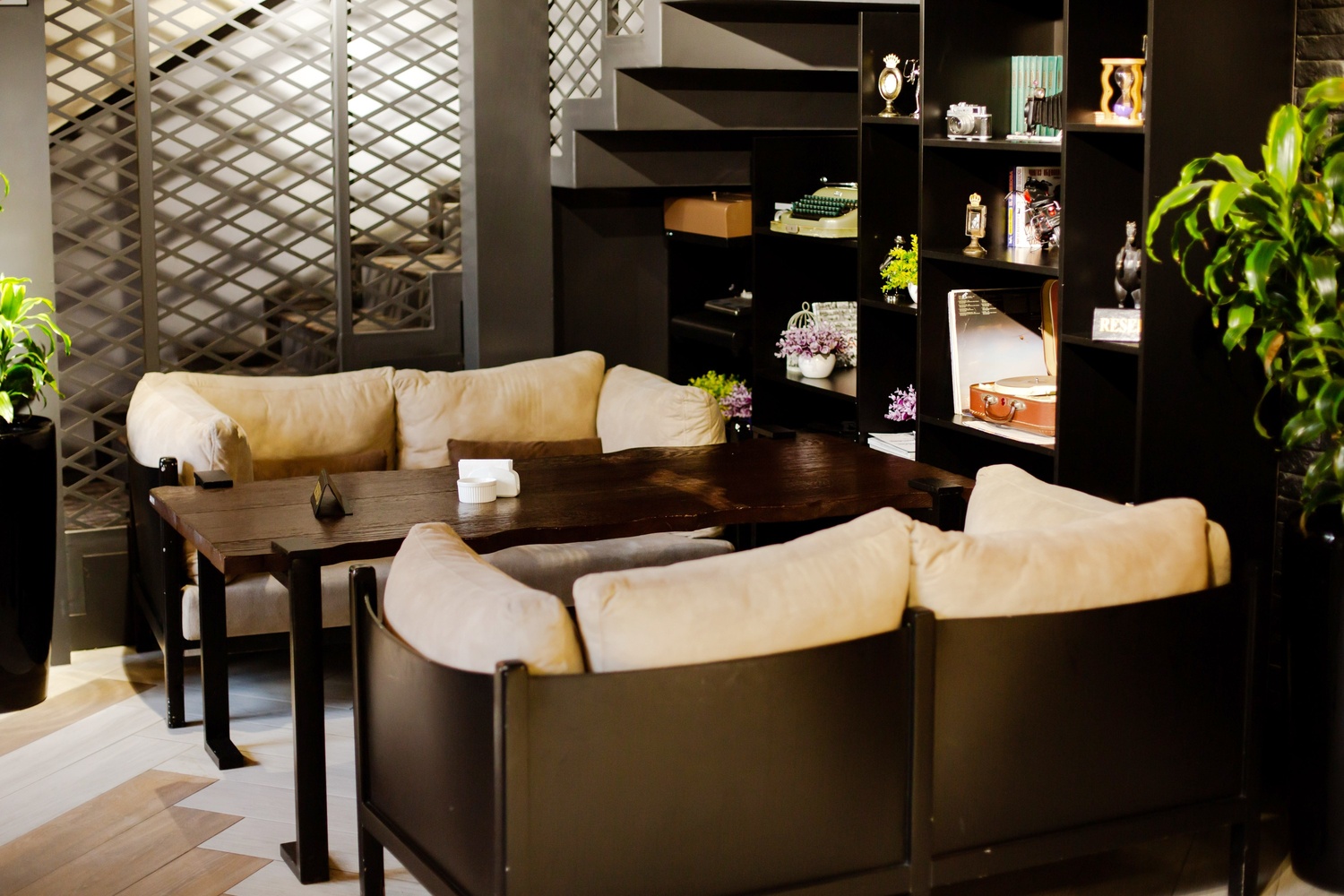
Millennium furniture evokes both a specific brand identity and a broader cultural moment in design history. For many, it calls to mind the sleek lines, high‑gloss finishes, and accessible elegance that defined residential interiors from the late 1980s into the 2000s. Within the first hundred words of exploration, it is clear that Millennium furniture is more than mere objects; it represents aspirations, lifestyles, and the evolving tastes of consumers navigating a rapidly globalizing world.
As the millennium approached, furniture design became a reflection of wider social, economic, and technological changes. Manufacturers expanded production capabilities, experimented with new materials, and responded to consumers who increasingly sought both style and functionality. At the same time, cultural influences shaped aesthetic choices, blending traditional forms with contemporary innovation. Millennium furnitur’e emerged within this environment, bridging affordability and sophistication, function and expression.
Across the United States and globally, the term also describes a shift toward flexible, expressive, and lifestyle-oriented furniture. Whether in the form of Ashley Furniture’s branded Millennium line or in manufacturing hubs in Vietnam, China, and India, the label encapsulates a convergence of industrial efficiency, global trade, and design trends. It remains a lens through which we can understand how furniture both adapts to and shapes the ways people inhabit their spaces.
The Birth of a Brand: Millennium by Ashley Furniture
Ashley Furniture Industries introduced the Millennium line in the late 1980s, aiming to provide contemporary, stylish furniture that appealed to mid‑income households. These collections combined high‑gloss finishes with clean, modern lines, offering bedroom sets, living room furnishings, dining collections, and accent pieces.
The brand quickly became synonymous with accessible style. By the 2010s, Ashley relaunched the line to include expanded upholstery, case goods, outdoor furnishings, bedding, and accessories. This strategy reflected not only evolving consumer tastes but also the growing demand for furniture that balanced aesthetic appeal with practical value. Millennium furniture positioned itself between traditional heirloom styles and minimalist modernism, offering versatility and approachability without sacrificing design sophistication.
Millennium in Global Manufacturing
Beyond the brand, the concept of Millennium furniture reflects global manufacturing and trade trends. In Vietnam, Millennium Furniture Co., Ltd. emerged as a key exporter, producing residential and commercial furniture for international markets. Similarly, companies in China, such as MLM Furniture under the Millennium Group, integrated design, quality control, and large-scale production to meet both domestic and overseas demand.
In India, Millennium Furnitures in Bangalore specializes in customized residential and commercial pieces, emphasizing quality, aesthetic appeal, and service. Collectively, these global efforts illustrate how Millennium furniture represents not just a style or brand, but a worldwide approach to production that balances craftsmanship, industrial efficiency, and market responsiveness.
Design Trends Around the Millennium
The turn of the millennium witnessed the rise of several influential design currents. Transitional style, which bridges traditional and contemporary forms, became increasingly popular. Characterized by clean lines, balanced proportions, and a focus on comfort, transitional pieces resonate with broad consumer preferences.
Concurrently, the Y2K aesthetic influenced furniture design with its futuristic shapes, metallic finishes, and bold forms, reflecting the optimism and technological fascination of the period. These trends shaped consumer expectations, making furniture a reflection of personal taste, social aspiration, and cultural awareness. Millennium furniture, whether through Ashley’s branded lines or global manufacturing output, embraced these aesthetic currents to meet a growing desire for stylish, functional, and expressive interiors.
The Consumer Perspective
Millennials, born between the early 1980s and mid-1990s, have significantly shaped contemporary furniture demand. This generation values functionality, sustainability, and design flexibility, often seeking pieces that serve multiple purposes within dynamic living spaces.
Millennium furniture has adapted to these preferences by offering modular, versatile, and durable pieces that align with both aesthetic and practical expectations. Consumers today prioritize furniture as a form of self-expression, blending heritage styles with modern innovation to create personalized environments. The enduring appeal of Millennium furniture lies in its ability to satisfy these evolving lifestyle requirements while remaining accessible in terms of price and design.
Case Studies in Retail and Production
Ashley Furniture Strategy
Ashley Furniture’s approach to Millennium furniture illustrates how a brand can evolve with changing tastes. At trade events like High Point Market, Millennium collections are showcased as comprehensive lifestyle solutions, offering hundreds of SKUs across multiple categories. This breadth ensures the line appeals to a wide demographic, from young homeowners to established families seeking contemporary yet functional furniture.
Global Supply Chain Integration
Manufacturers such as Millennium Furniture Co., Ltd. in Vietnam demonstrate the global dimension of Millennium furnitur’e. By leveraging regional manufacturing strengths and adhering to international design standards, these companies serve both domestic and export markets efficiently. This global perspective reinforces the idea that Millennium furniture is not only a design concept but also an industrial phenomenon shaped by trade, logistics, and cultural exchange.
Cultural Significance and Nostalgia
Millennium furnitur’e embodies more than functionality; it represents a moment in cultural history. As industrial expansion met aesthetic exploration, furniture became a medium through which consumers expressed identity, values, and social aspiration. From high-gloss case goods to modular upholstered pieces, Millennium furnitur’e captures the optimism and creativity that defined the late 20th and early 21st centuries.
This cultural resonance extends to nostalgia. Many consumers associate Millennium furnitur’e with formative years of homeownership or first apartments, reinforcing emotional connections that transcend practical considerations. As design continues to evolve, Millennium furniture remains a reference point for both style and sentiment, bridging generational experiences and aesthetic legacies.
Conclusion
Millennium furnitur’e stands at the crossroads of design, culture, and industry. Whether in the form of Ashley Furniture’s branded lines or through global manufacturers in Vietnam, China, and India, it represents an era defined by ambition, innovation, and evolving consumer tastes. As furniture continues to adapt to contemporary lifestyles, the Millennium legacy highlights how design, functionality, and cultural meaning can converge in everyday objects, shaping not only interiors but also the experiences and identities of those who inhabit them.
FAQs
What is Millennium furniture?
It is both a branded furniture line, especially by Ashley Furniture, and a broader trend in late-20th-century contemporary furniture design.
Who produces Millennium furniture today?
Ashley Furniture continues to produce Millennium collections, and global manufacturers in Asia also produce similar lines for residential and commercial markets.
What design styles influence Millennium furniture?
It incorporates transitional and contemporary styles, as well as elements inspired by the Y2K aesthetic and modern functionality.
Why is Millennium furniture popular?
It combines style, functionality, and affordability, appealing to consumers seeking accessible, modern, and versatile furniture.
Is Millennium furniture suitable for modern homes?
Yes. Its versatile designs and clean lines make it appropriate for contemporary living spaces while reflecting historical design trends.