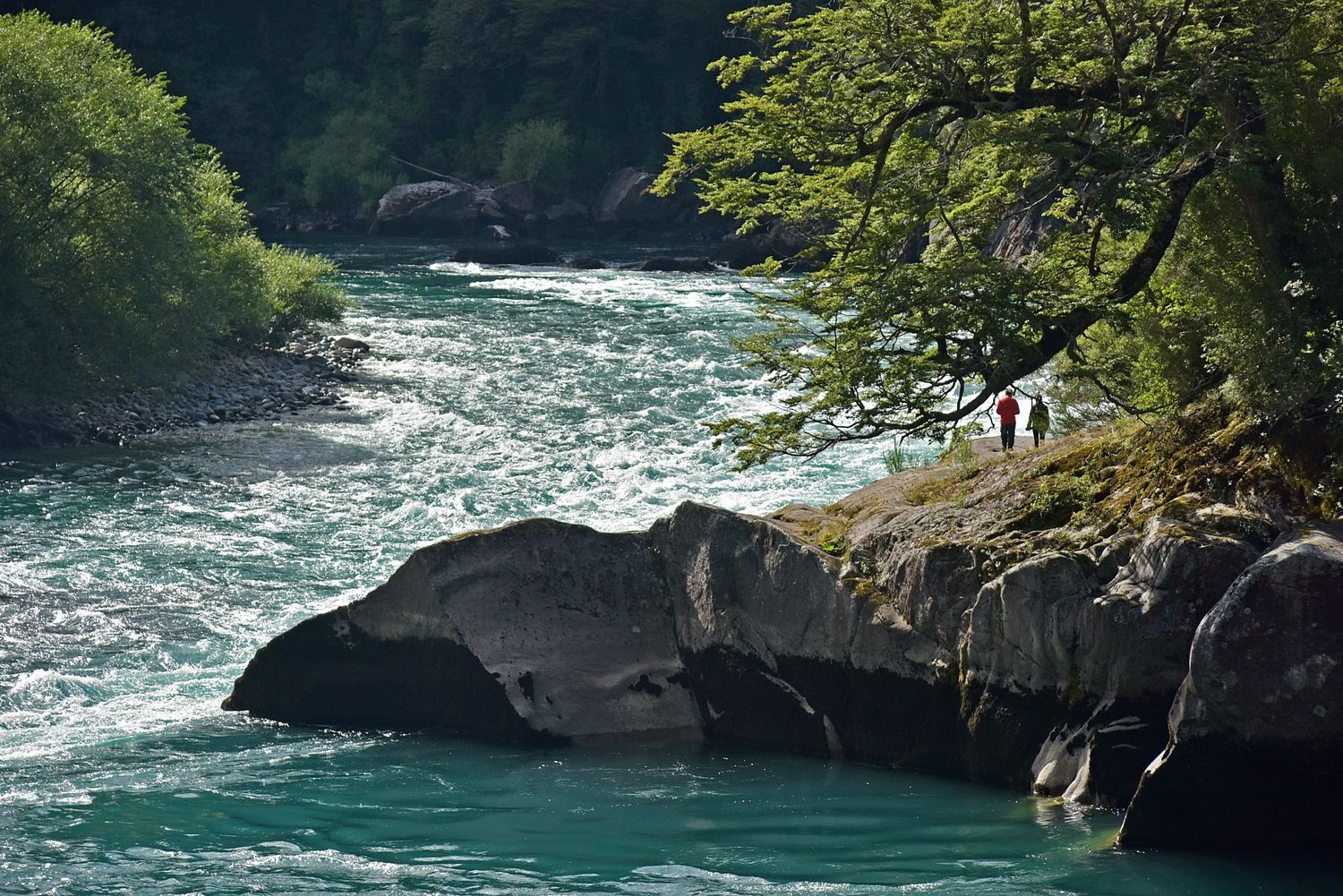
Just over an hour’s drive from Manhattan, the Mianus River Gorge Preserve stands as a rare natural refuge amid suburban expansion. Spanning nearly 1,200 acres across Westchester County, New York, and parts of Fairfield County, Connecticut, this preserve is home to some of the last old-growth forests in the Northeast. Towering eastern hemlocks, some centuries old, thrive alongside a rich understory of ferns and wildflowers, while the gorge itself tells a story shaped by glaciers and flowing water over millennia.
The preserve is not only ecologically significant but also historically and scientifically important. It protects one of the highest-quality watersheds in the region, supplying drinking water to more than 130,000 people. The land’s protection began in the 1950s when local citizens and conservationists recognized the threats posed by suburban development and potential dam construction. Their advocacy led to the formation of the Mianus River Gorge Conservation Committee and eventually contributed to the first land acquisitions by The Nature Conservancy. Today, it is celebrated as the first Natural History Landmark in the United States, serving as a living laboratory and a sanctuary for both wildlife and human visitors.
Visitors to the preserve are greeted with trails that wind through lush valleys, steep ridges, and cascading waterways, offering a rare glimpse into a forest largely untouched by human activity. Here, the interplay of geology, biodiversity, and history creates an immersive experience, inviting reflection on the importance of protecting such irreplaceable landscapes.
Geology and Landscape Formation
The Mianus River Gorge owes its dramatic topography to ancient geological forces. Glacial activity during the last Ice Age carved deep ravines through resilient gneiss and schist bedrock. The river exploited natural fractures in the rock, gradually creating steep cliffs and rugged terrain that define the gorge today. Remnants of 18th-century mining, including mica and feldspar extraction sites, add a cultural layer to this geologically complex landscape.
Trails through the preserve trace the river’s meanders, ascend rocky ridges, and cross stone walls that mark centuries-old agricultural boundaries. Hikers experience a blend of natural and human history, witnessing how both have shaped this remarkable landscape over time.
Biodiversity of the Preserve
One of the most compelling features of the Mianus River Gorge Preserve is its rich biodiversity. The old-growth forest is home to towering hemlocks, mature hardwoods, and a variety of understory plants, including more than thirty species of ferns. These forests provide essential habitat for a wide range of wildlife, from white-tailed deer and bobcats to salamanders and gray treefrogs. Bird populations are abundant, and the clean waters of the Mianus River support fish, crayfish, and other aquatic life.
The old-growth forest, having never been cleared or farmed, offers unique ecological value. Fallen logs, standing dead trees, and complex soil systems create microhabitats that support fungi, insects, and other organisms. This ecological complexity underlines the preserve’s role as a critical node within the larger Mianus River watershed.
The Mianus River: Lifeblood and Legacy
The Mianus River courses through the preserve, connecting landscapes and communities. Originating in ponds near North Castle, New York, it flows southward through the gorge before reaching Long Island Sound. Its waters are exceptionally high-quality, providing drinking water to local residents and serving as a benchmark for conservation.
Historically, the river has been influenced by human activity, from early mill dams to modern development. Protecting its health is central to the preserve’s mission, ensuring the integrity of the river and its surrounding habitats. Conservation efforts extend throughout the 42-square-mile watershed, highlighting the interconnected nature of ecological stewardship.
Conservation and Scientific Research
The preserve has long served as a living laboratory. Scientific research focuses on forest health, invasive species management, watershed protection, and wildlife monitoring. Studies here guide practical conservation measures, such as controlling deer populations, mitigating threats from the hemlock woolly adelgid, and restoring native plant communities.
Education is integral to the preserve’s mission. Programs connect high school and college students with hands-on research opportunities, nurturing the next generation of conservation leaders. Volunteer initiatives further support habitat restoration, invasive species removal, trail maintenance, and wildlife monitoring, emphasizing the partnership between science, stewardship, and community engagement.
Trails and Public Experience
Visitors can explore several miles of hiking trails, which range from gentle walks along the river to challenging climbs up ridges. Seasonal access from April to November ensures minimal ecological disturbance, allowing the land to rest during winter. Trails are carefully managed to protect sensitive habitats, and visitors are asked to follow regulations, including no dogs or bicycles, and to avoid disturbing plants or wildlife.
The hiking experience reveals the gorge’s beauty and complexity: cascading streams, moss-covered rocks, and vistas framed by centuries-old hemlocks. Interpretive signage and guided hikes deepen understanding of the preserve’s ecological and historical significance, connecting visitors to both the land and its conservation story.
Community and Legacy
The Mianus River Gorge Preserve represents a long-standing community effort. From its initial preservation in the 1950s to contemporary scientific research, volunteers and staff have contributed to maintaining its ecological integrity. Conservation here is proactive, involving land acquisition, habitat management, and collaboration across municipal boundaries to ensure the continued protection of this invaluable landscape.
The preserve’s success illustrates the power of science-informed stewardship combined with public engagement. Its continued preservation ensures that future generations will experience the serenity, biodiversity, and educational opportunities the gorge provides.
Conclusion
The Mianus River Gorge Preserve exemplifies the intersection of ecological complexity, geological history, and human stewardship. Its ancient forests, glacially carved cliffs, and pristine waterways demonstrate the importance of long-term conservation efforts near urban centers. Through rigorous research, active management, and community involvement, the preserve offers both a sanctuary for wildlife and a living classroom for people. As suburban pressures intensify, the lessons of the Gorge—collaboration, persistence, and deep ecological understanding—serve as a model for preserving natural landscapes for generations to come.
FAQs
What makes the Mianus River Gorge Preserve unique?
It contains rare old-growth forests, glacially shaped gorges, and a highly protected watershed near a major urban area.
Where is the preserve located?
Primarily in Bedford, New York, with portions extending into nearby Connecticut municipalities.
When is the preserve open?
From April through November, typically from 8:30 a.m. to 5 p.m.
Are visitors allowed to bring dogs?
No, dogs are prohibited to protect wildlife and sensitive habitats.
Why is scientific research conducted at the preserve?
Research guides habitat management, invasive species control, watershed protection, and environmental education initiatives.