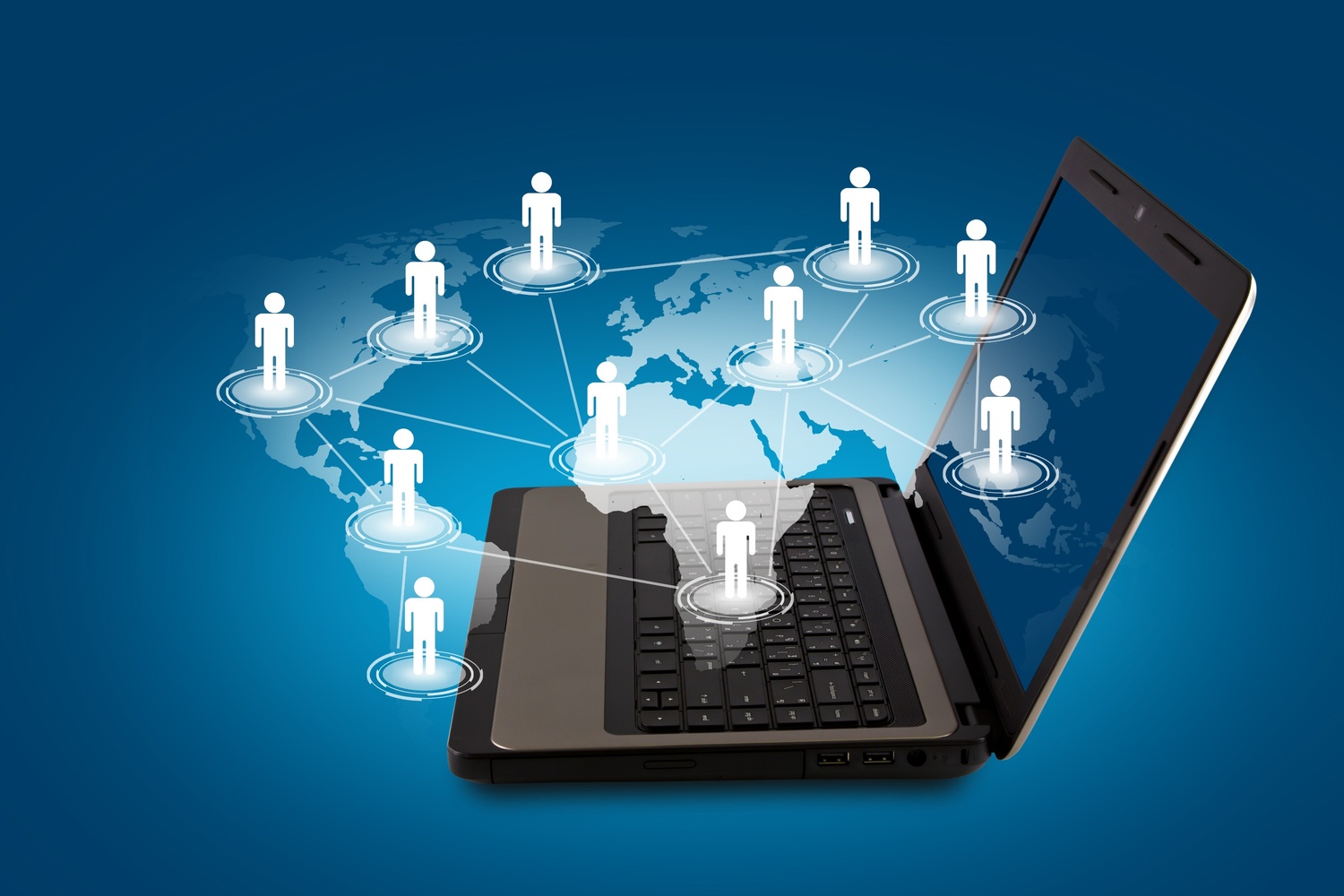
In today’s digital era, Multi Channel Networking adalah has emerged as a crucial strategy for organizations and professionals seeking to expand their reach, strengthen relationships, and deliver targeted messages across a variety of platforms. At its core, multi-channel networking is the practice of using multiple communication channels—digital platforms such as social media, email, websites, and mobile applications, as well as traditional methods like print, events, and direct interactions—to engage audiences effectively. It is not merely about maintaining accounts on various platforms; it is about integrating these channels into a cohesive strategy to achieve organizational goals.
The need for multi-channel networking has grown alongside audience fragmentation and the proliferation of communication platforms. Modern consumers interact across diverse channels, expecting quick responses and seamless experiences. Multi-channel networking enables organizations to meet these expectations by strategically deploying messages where audiences are most active and receptive. It is increasingly essential in marketing, customer service, sales, and public relations, allowing companies to build stronger connections, maintain visibility, and drive sustainable growth.
Practically, multi-channel networking involves not only establishing a presence across channels but also ensuring messages are consistent, timely, and engaging. This strategic orchestration allows organizations to reach their audiences efficiently, collect meaningful feedback, and adjust campaigns dynamically. By leveraging multiple touchpoints, organizations can foster customer loyalty, improve brand perception, and maximize impact in an increasingly competitive environment.
Understanding Multi-Channel Networking
Multi-channel networking consists of two core elements: multiple channels and networking. The first component involves the various platforms, tools, and pathways through which communication can occur. These channels include digital media such as social networks, websites, emails, and mobile applications, as well as offline methods like direct mail, events, and in-person interactions.
Networking refers to the process of building and maintaining relationships, rather than simply broadcasting information. The combination of these elements allows organizations to engage audiences across different channels in a meaningful and targeted manner. Channels are not just passive conduits; they are interactive spaces for dialogue, feedback, and insight. Effective Multi Channel Networking adalah ensures each channel complements the others, reinforcing organizational objectives while providing opportunities for engagement.
In practice, multi-channel networking addresses the reality that audiences no longer exist in a single ecosystem. Customers interact across multiple platforms throughout their journey, from researching products online to visiting stores in person. Organizations that embrace a multi-channel approach can meet audiences wherever they are, delivering messages that resonate and drive desired outcomes.
Historical Context and Conceptual Development
The concept of multi-channel communication predates the digital age. Before the rise of the internet, organizations used a variety of channels—print advertising, radio, television, and telephone outreach—to connect with their audiences. What distinguishes today’s multi-channel networking is the vast array of digital tools available and the ability to analyze engagement data in real time.
Academically, multi-channel networking is rooted in marketing, communication, and information systems research. Studies highlight its ability to help organizations adapt to changing consumer behaviors and technological advancements. While related to omnichannel strategies, which focus on seamless integration across channels, multi-channel networking emphasizes the breadth and diversity of channel use rather than full integration.
Strategic Importance of Multi-Channel Networking
Multi-channel networking provides three main advantages for organizations.
Expanded Reach
Presence across multiple platforms increases the likelihood of connecting with diverse audience segments. Each audience prefers different channels, so using multiple touchpoints ensures a broader and more effective reach.
Risk Mitigation
Relying on a single communication channel carries risks. Platforms may lose popularity, technical issues may arise, or audience behaviors may shift. Diversifying channels reduces dependency and ensures consistent engagement.
Data and Insights
Every channel generates valuable data. Monitoring engagement, preferences, and feedback enables organizations to refine messaging, improve targeting, and enhance overall effectiveness. Multi-channel strategies convert these insights into actionable intelligence for future campaigns.
Applications Across Sectors
Digital Marketing
In marketing, multi-channel networking involves coordinating social media, websites, email campaigns, search engine advertising, and mobile applications. Each channel contributes to a unified brand narrative while reaching audiences at different points in their journey.
Sales and Customer Relationship Management
Sales organizations use phone calls, emails, live chats, in-person meetings, and digital portals to interact with prospects and customers. Coordinating across these channels improves conversion rates and strengthens relationships.
Content Creation and Media Networks
On platforms like YouTube, multi-channel networks (MCNs) assist creators in managing multiple channels, offering tools for monetization, marketing, analytics, and intellectual property management. These networks exemplify the practical use of multi-channel strategies in digital content ecosystems.
Complex B2B and Enterprise Communication
Industries with intricate products or services leverage multi-channel networking for internal and external communication. Coordinating marketing, technical updates, and customer support across channels ensures consistency and alignment across organizational touchpoints.
Challenges and Considerations
Despite its benefits, multi-channel networking presents challenges:
Coordination and Consistency
Multiple channels require strategic alignment to avoid inconsistent messaging, which can confuse audiences and weaken brand credibility.
Resource Allocation
Managing several channels demands time, content, and personnel. Organizations must balance effort and investment against expected returns to maintain efficiency.
Audience Fatigue
Overlapping messaging across channels can lead to redundancy or annoyance. Frequency, relevance, and timing must be carefully managed to avoid disengaging the audience.
Measurement Complexity
Tracking performance across multiple platforms is challenging. Metrics such as engagement rates, conversions, and sentiment analysis must be integrated to provide a coherent picture of strategy effectiveness.
Best Practices for Effective Multi-Channel Networking
Strategic Channel Selection
Choose channels that align with audience preferences, organizational goals, and available resources.
Consistent Messaging
Ensure the core message remains clear across channels, even when content format varies.
Integrated Analytics
Leverage data dashboards to monitor performance, identify trends, and make informed decisions.
Personalization
Tailor content to specific channels and audience segments to increase engagement and relevance.
Continuous Optimization
Regularly review results, adjust strategies, and experiment with new channels to maintain effectiveness.
Conclusion
Multi-channel networking is a critical framework for modern organizations navigating fragmented and dynamic communication landscapes. By strategically leveraging multiple channels, organizations can reach wider audiences, deepen engagement, and derive actionable insights to inform future initiatives. While challenges exist, careful planning, coordination, and analysis can transform multi-channel networking into a powerful tool for growth, customer retention, and brand reinforcement. In an era defined by choice and connectivity, mastering multi-channel strategies is no longer optional—it is essential.
FAQs
Apa itu multi-channel networking?
Multi-channel networking adalah strategi menggunakan berbagai saluran komunikasi untuk menjangkau dan membangun hubungan dengan audiens.
Bagaimana bedanya dengan omnichannel?
Multi-channel menekankan jumlah saluran, sedangkan omnichannel fokus pada integrasi mulus antar saluran.
Mengapa organisasi membutuhkannya?
Untuk menjangkau audiens di platform berbeda dan memastikan pesan diterima secara efektif.
Contoh penerapannya?
Pemasaran digital menggunakan media sosial, email, situs web, dan aplikasi mobile secara bersamaan.
Apa tantangan utama?
Koordinasi antar saluran, alokasi sumber daya, dan menjaga konsistensi pesan menjadi tantangan utama.