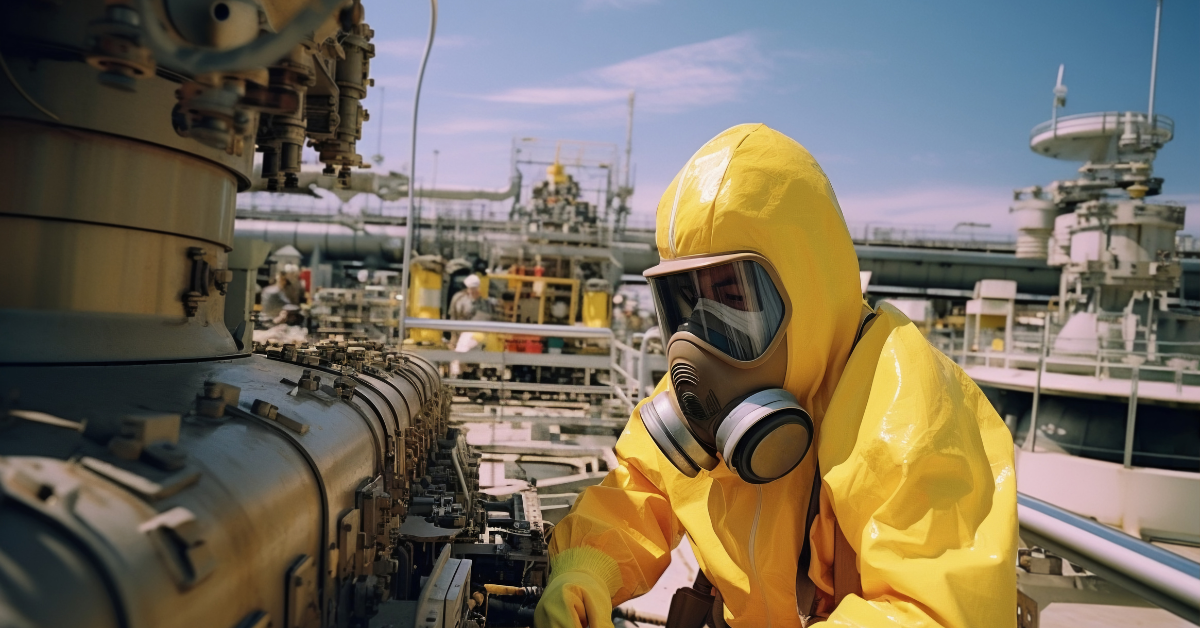
Industrial facilities, from refineries to chemical plants, operate in environments where invisible hazards lurk around every corner. Gas leaks, toxic exposures, and sudden fires can escalate quickly, putting lives, property, and the environment at risk. FGFD systems provide a critical line of defense, continuously monitoring industrial spaces to detect dangerous conditions before they become catastrophic. These permanently installed systems are engineered to deliver real-time alerts and integrate with automated safety mechanisms, including alarms, emergency shutdowns, and communication networks, ensuring that potential hazards are addressed immediately.
By using sophisticated sensor technologies, FGFD systems can detect combustible gases, toxic vapors, oxygen deficiencies, and flame signatures. These systems are not only essential for industrial safety compliance but also for protecting employees in high-risk sectors such as oil and gas, petrochemicals, water treatment, and manufacturing. Modern FGFD solutions combine reliability, precision, and integration capabilities, enabling facilities to operate safely even in extreme conditions.
FGFD systems have evolved from simple alarms to fully networked solutions with smart sensors capable of distinguishing false positives, rapidly responding to threats, and coordinating with industrial control systems. They exemplify a proactive approach to industrial safety, reducing the likelihood of injuries, fatalities, and operational downtime.
The Role of FGFD Systems in Industrial Safety
Protecting Workers and Facilities
FGFD systems provide continuous surveillance in environments where hazards are not immediately visible. In oil and gas facilities, chemical plants, or wastewater treatment sites, workers can be exposed to invisible toxins like hydrogen sulfide or combustible gases like methane. FGFD systems detect these dangers early and initiate emergency responses, from alarms to automated shutdowns, protecting lives and equipment.
Compliance and Standards
Regulatory frameworks recognize the importance of FGFD systems. Standards from organizations like OSHA, NFPA, and IEC 61508 set safety requirements for hazard monitoring. FGFD systems are often integrated with Safety Instrumented Systems (SIS) and Emergency Shutdown (ESD) systems to ensure comprehensive protection, minimizing the risk of industrial accidents and environmental damage.
Key Technologies in FGFD Systems
Gas Detection Technologies
Gas detection is central to industrial safety. Different sensor technologies are used depending on the type of gas and environmental conditions:
Catalytic Combustion Sensors: Detect combustible gases by measuring heat produced during oxidation. Robust and suitable for flammable gases like methane but require oxygen to function.
Electrochemical Sensors: Measure toxic gases such as carbon monoxide or hydrogen sulfide through chemical reactions producing measurable electrical currents. Highly specific and effective at low concentrations.
Infrared Sensors: Detect gases like methane and carbon dioxide by monitoring the absorption of infrared light. Open-path IR detectors cover large areas and are ideal for outdoor or expansive industrial sites.
Semiconductor Sensors: Detect gases based on conductivity changes in sensor materials, offering cost-effective solutions for various toxic and combustible gases.
Modern FGFD systems often combine multiple sensor types to ensure reliable detection in diverse industrial conditions.
Flame Detection Technologies
Flame detectors sense the presence of fire through the light and radiation emitted during combustion. Key technologies include:
Ultraviolet (UV) Detectors: Respond quickly to flame-generated UV radiation but may be sensitive to other UV sources.
Infrared (IR) Detectors: Monitor IR radiation from flames, less affected by UV interference, suitable for hydrocarbon fires.
Multi-Spectral IR (MSIR) Detectors: Combine multiple IR bands and advanced algorithms to differentiate real flames from false signals, enhancing reliability even in challenging environments.
Flame detectors are strategically placed near high-risk areas such as fuel storage, processing units, and critical infrastructure to ensure rapid flame recognition and response.
Integration and Communication
FGFD systems are connected to industrial control networks to provide comprehensive monitoring and control. Common communication protocols include HART and Modbus, enabling real-time data transfer to controllers and human-machine interfaces. This integration allows operators to monitor conditions, receive alerts, and trigger emergency actions automatically, minimizing human error and enhancing response times.
Modern FGFD systems also incorporate data analytics and trend monitoring, allowing predictive maintenance and early identification of potential hazards before they escalate. The integration of sensors, communication networks, and safety logic forms the backbone of a facility’s hazard prevention strategy.
Leading Products and Providers
Several companies offer reliable and certified FGFD solutions, including MSA Safety, Teledyne, and Honeywell. Leading products include:
S5000 Gas Monitor: Suitable for extreme environments, detecting oxygen, toxic, and combustible gases, with HART/Modbus integration.
FL4000H MSIR Flame Detector: Detects hydrocarbon fires at up to 70 meters with false alarm immunity.
IR5500 Open Path Gas Detector: Measures methane from PPM to LEL with fast response times.
Senscient ELDS: Highly specific gas detection with response times under five seconds and minimal false alarms.
FGFD Systems, s.r.o., building on MSA and Trolex heritage, specializes in solutions for industrial applications, focusing on reliability, compliance, and performance in harsh environments.
Applications Across Industries
Oil and Gas
Refineries, pipelines, and offshore platforms rely heavily on FGFD systems to prevent explosions and fires. Gas leaks are detected before they reach dangerous levels, and flame detectors monitor key ignition points. Integration with shutdown systems ensures rapid response.
Chemical and Petrochemical Plants
Facilities handling toxic or flammable chemicals implement multi-sensor FGFD arrays to monitor reactors, storage tanks, and transfer lines. These systems trigger ventilation, isolation, and suppression systems automatically when hazards are detected.
Water and Wastewater Treatment
Hydrogen sulfide and methane are common in wastewater environments. FGFD systems monitor confined and open areas to protect workers from toxic exposure and prevent combustible atmospheres.
Manufacturing and Storage
From paint booths to storage facilities for flammable materials, FGFD systems reduce risks by detecting gas leaks and fires early. These systems integrate with alarms, HVAC, and fire suppression equipment to ensure safety and compliance.
Maintenance, Calibration, and Human Factors
Reliable operation of FGFD systems requires consistent maintenance and calibration. Sensors drift over time, and environmental factors like dust, temperature, and humidity affect performance. Routine calibration, sensor replacement, and functional testing prevent false alarms and undetected hazards.
Human factors are equally critical. Workers must understand the limitations of FGFD systems, know how to respond to alarms, and follow emergency protocols to maximize system effectiveness.
Emerging Trends and Future Directions
As industries evolve, FGFD systems are increasingly integrated with digital monitoring, wireless networks, and predictive analytics. AI and machine learning allow for more precise hazard identification and predictive maintenance, enhancing safety and reducing downtime. Emerging sensor technologies, such as acoustic and visual fusion, aim to further improve detection accuracy and reliability in complex industrial environments.
Conclusion
FGFD systems are indispensable to modern industrial safety. By continuously monitoring hazardous environments, providing real-time alerts, and integrating with automated response systems, they safeguard workers, facilities, and the environment. As digital innovation progresses, FGFD systems are becoming smarter, more predictive, and increasingly essential for safe industrial operations.
Frequently Asked Questions
What is a fixed gas detection system?
A permanently installed network of sensors that continuously monitor for toxic or combustible gases, triggering alarms or safety shutdowns.
How do flame detectors work?
They sense the light and radiation emitted by fire using UV, IR, or multi-spectral IR technologies to identify real flames from false signals.
Why is calibration necessary?
Calibration maintains sensor accuracy, compensates for drift, and ensures reliable detection over time.
Can these systems integrate with control networks?
Yes, they use protocols like HART and Modbus to transmit real-time data to controllers and safety systems.
Which industries use FGFD systems most?
Oil and gas, petrochemical, wastewater treatment, manufacturing, and storage facilities rely heavily on these systems.