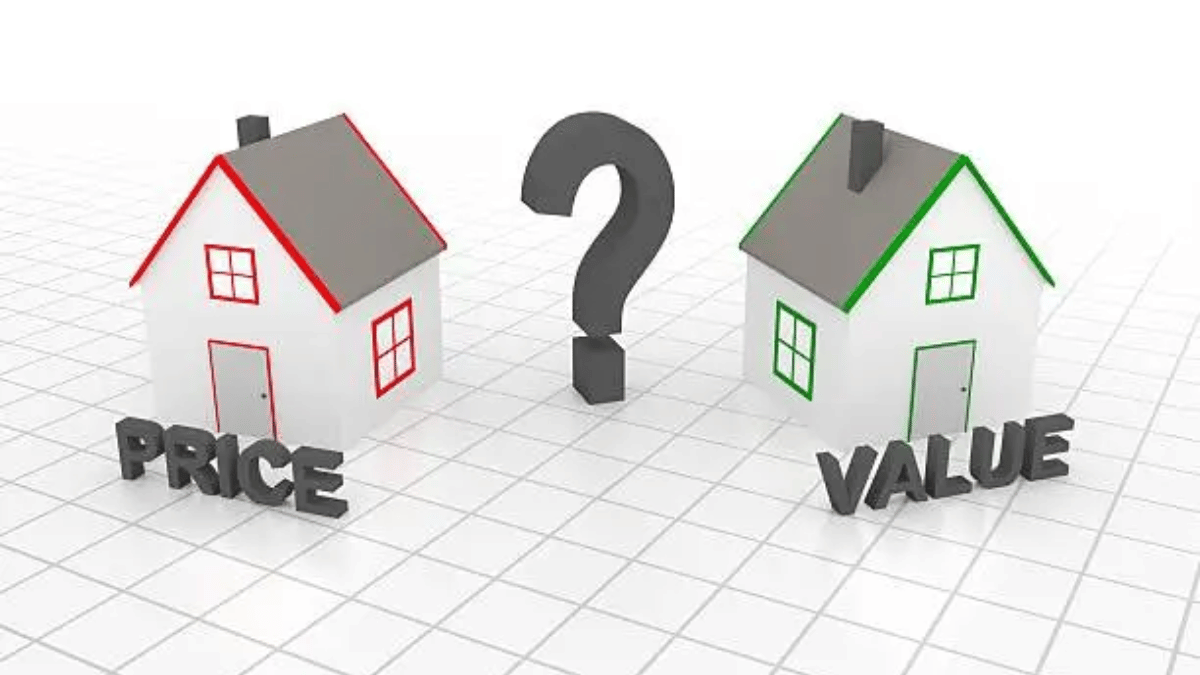
In a competitive property market, identifying an undervalued property can provide a significant advantage. These opportunities are rarely obvious. They require a discerning eye, a methodical approach, and a willingness to look beyond surface-level impressions. An undervalued property is not simply one that is priced lower than others. It is a property whose intrinsic value exceeds its current market perception.
Local insight often plays a decisive role in uncovering such opportunities. Professionals such as Hunters Ashford estate agents possess a detailed understanding of pricing patterns and buyer behaviour, enabling them to identify discrepancies that others may overlook. This level of expertise can be instrumental in gaining an early advantage.
Understanding Market Value vs Asking Price
The asking price of a property is not always an accurate reflection of its true value. Sellers may misjudge the market, either overestimating or underestimating the worth of their property. This discrepancy creates opportunities for informed buyers.
Market value, by contrast, is determined by what buyers are willing to pay under current conditions. Understanding this distinction is crucial. Buyers who rely solely on asking prices risk missing opportunities where properties are priced below their actual worth due to urgency or misalignment with the market.
Analysing Local Market Data
Local market data provides a strong foundation for identifying undervalued properties. Historical sales data, price trends, and transaction volumes offer insights into how values have evolved over time. Patterns begin to emerge, revealing areas of stability, growth, or decline.
Inconsistencies in pricing can signal potential opportunities. For example, a property listed significantly below recent comparable sales may warrant further investigation. Data-driven analysis reduces guesswork and improves decision-making accuracy.
The Role of Comparable Evidence
Comparable evidence, often referred to as comparable sales, is a critical tool in property evaluation. By analysing recent transactions of similar properties within the same area, buyers can establish a reliable benchmark for value.
When a property deviates from this benchmark, it may indicate undervaluation. However, such deviations must be examined carefully. Factors such as condition, size, and location nuances must be considered to ensure that the comparison is valid.
Location Signals That Indicate Potential
Location remains a cornerstone of property value, but its implications extend beyond current desirability. Emerging neighbourhoods often present opportunities for undervalued purchases. Areas undergoing regeneration or benefiting from new infrastructure projects can experience significant value appreciation.
Indicators such as planned transport links, commercial developments, or improvements in public amenities can signal future growth. Buyers who recognise these signals early can secure properties that are currently undervalued but positioned for future gains.
Property Condition and Cosmetic Issues
Properties that require cosmetic improvements are often overlooked by buyers seeking move-in-ready homes. However, these imperfections can conceal underlying value. Distinguishing between cosmetic issues and structural problems is essential.
Cosmetic flaws, such as outdated décor or minor repairs, can be addressed relatively easily and cost-effectively. Structural issues, on the other hand, may involve significant expense and risk. Identifying properties where value can be unlocked through manageable improvements is a key strategy.
Seller Motivation and Market Timing
Seller motivation can significantly influence pricing. Properties listed due to urgent circumstances, such as relocation or financial pressures, may be priced more competitively to facilitate a quick sale.
Timing also plays a role. Properties that have remained on the market for extended periods may experience price reductions. Understanding these dynamics allows buyers to identify opportunities where sellers are more open to negotiation.
Overlooked Listings and Poor Marketing
Not all properties receive the attention they deserve. Listings with poor-quality photographs, vague descriptions, or limited online visibility may be overlooked by the majority of buyers. These properties can represent hidden opportunities.
A lack of interest does not necessarily indicate a lack of value. In many cases, it reflects inadequate marketing. Buyers who take the time to explore such listings may uncover properties that are undervalued simply due to poor presentation.
Evaluating Development and Improvement Potential
The potential for development or improvement can significantly enhance a property’s value. Opportunities for extension, refurbishment, or reconfiguration can transform a property’s appeal and functionality.
Assessing this potential requires careful consideration of planning regulations and feasibility. Properties with untapped potential often present opportunities for value creation, making them particularly attractive to forward-thinking buyers.
Financial and Legal Due Diligence
While identifying undervalued properties is important, due diligence is equally critical. Financial and legal considerations must be thoroughly examined to ensure that there are no hidden risks.
Issues such as restrictive covenants, unresolved disputes, or structural concerns can negate any perceived value. A comprehensive evaluation ensures that the property represents a genuine opportunity rather than a concealed liability.
Using Technology and Data Tools
Modern technology has enhanced the ability to identify undervalued properties. Online platforms provide access to extensive data, enabling buyers to analyse trends and compare listings with ease.
AI-driven tools further refine this process, offering predictive insights and identifying anomalies in pricing. These technologies complement traditional methods, providing a more comprehensive analytical framework.
Working with Local Experts
Collaboration with local experts can significantly enhance the process of identifying undervalued properties. Estate agents possess insights that are not always captured in data, including off-market opportunities and nuanced market dynamics.
Their experience enables them to identify patterns and opportunities that may not be immediately apparent. This partnership approach combines analytical precision with practical expertise, increasing the likelihood of success.
Spotting an undervalued property before others requires a combination of analytical rigour, market awareness, and strategic thinking. By leveraging data, understanding local dynamics, and maintaining a disciplined approach, buyers can uncover opportunities that offer both immediate and long-term value. In a competitive market, this ability to identify hidden potential can be the defining factor in achieving successful property investments.