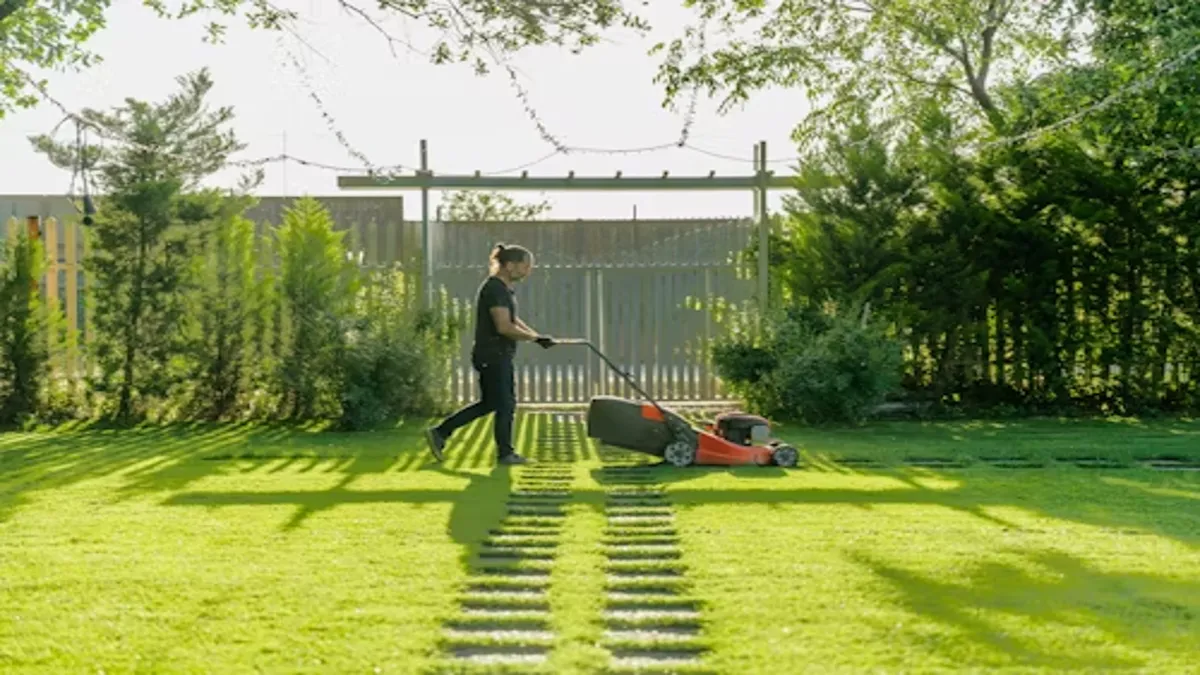
Most people think artificial turf is the ultimate set-it-and-forget-it solution. Install it once, and you’re done dealing with lawn care forever, right? Not quite. Your synthetic grass still needs attention, just a different kind. The good news is that professional maintenance services take care of the tricky parts while you enjoy a consistently great-looking yard.
Here’s what actually happens when you hire pros to maintain your artificial lawn, and why it might be worth every penny.
The Real Deal with Artificial Lawn Maintenance
Let’s get one thing straight: artificial turf maintenance isn’t about mowing or fertilizing. It’s about keeping those synthetic fibers upright, clean, and functional. Professional artificial lawn maintenance tackles problems you might not even notice until they become expensive headaches.
Debris Removal That Actually Works
Your neighbor’s oak tree doesn’t care that you have synthetic grass. Leaves, twigs, and pollen still land on your lawn. Professional crews show up with equipment that makes your leaf blower look like a toy. They use commercial-grade vacuums and power brooms designed specifically for synthetic surfaces.
What gets removed during a typical visit:
- Organic matter that could decompose and stain your turf
- Fine particles that sink between blades and cause drainage issues
- Pet hair and dander that regular raking misses
Most services recommend cleaning every few months, but that changes based on how many trees surround your property and how much foot traffic your lawn gets.
Bringing Flat Grass Back to Life
Walk the same path across your artificial lawn enough times, and those fibers will flatten. Kids playing in the same spot every day? Same problem. Professional teams know how to lift those crushed blades back up using specific brushing patterns and techniques. They redistribute the infill material that gives your grass its bounce and structure.
This isn’t just cosmetic. Proper fiber positioning affects how your lawn drains water and how comfortable it feels underfoot.
Why Artificial Grass Lawn Maintenance Gets Technical
Basic cleaning is one thing. Dealing with the science of synthetic turf is another. That’s where specialized artificial grass lawn maintenance service providers really earn their keep.
The Infill Situation Nobody Talks About
That sand-like or rubber material between your grass blades? It’s called infill, and it does more than you think. It keeps blades standing up, provides cushioning, helps with drainage, and even affects surface temperature. Over time, rain and foot traffic move this stuff around. Some areas end up with too much, others with too little.
Professionals measure infill depth across your entire lawn. They add more where it’s needed and redistribute it for even coverage. This requires calibrated equipment and knowing exactly how much infill your specific turf type needs. Too much makes your lawn feel hard and unnatural. Too little and your grass looks flat and worn out.
Dealing with Smells and Stains
Synthetic grass can smell, especially if you have pets or live near trees that drip sap. Professional artificial grass lawn maintenance includes treatments that actually eliminate odors instead of covering them up. They use enzyme cleaners that break down the organic compounds, causing the smell.
Stains need different approaches depending on what caused them. Tree sap requires one method, pet urine another, and mud something else entirely. Technicians carry multiple cleaning solutions and know which one won’t damage your specific turf material.
What Happens During a Professional Inspection
An artificial lawn maintenance service inspection involves more than walking around your yard nodding thoughtfully. Trained technicians look for specific problems that could cost you serious money down the road.
Checking Where Turf Sections Connect
Your artificial lawn probably isn’t one giant piece. Multiple sections get joined together at seams, and those connections are vulnerable spots. Inspectors examine every seam for gaps, lifting, or damage. They check if the adhesive is holding or if UV exposure has weakened it.
They also look at edges where your turf meets concrete, pavers, or natural ground. These transition zones take a beating and can pull loose if they weren’t secured properly during installation.
Making Sure Water Goes Where It Should
Artificial turf has drainage holes punched through the backing. When those holes get clogged with dirt and debris, water pools on the surface instead of draining through. Inspectors test drainage in different areas and clear any blockages they find.
They’re also looking for signs that the base material under your turf has compacted or shifted. If water isn’t draining properly, the problem might be below the turf itself.
Evaluating Fiber Condition
Synthetic grass blades don’t last forever. UV rays from the sun gradually break them down. Inspectors check for:
- Blades that feel brittle or crack when bent
- Color fading in sun-exposed areas
- Fibers that stay flat no matter how much brushing they get
- Backing material that’s starting to deteriorate
These inspections help predict when you’ll need repairs or replacement, so you’re not caught off guard by sudden lawn failure.
How Seasons Change Maintenance Needs
Artificial grass faces different challenges throughout the year. Smart artificial grass lawn maintenance service providers adjust what they do based on the season.
Hot Weather Concerns
Summer brings heat, and dark-colored artificial turf can get scorching hot. Some maintenance services apply cooling treatments or recommend adjustments to your irrigation system. More importantly, warm weather speeds up bacterial growth, making regular sanitization crucial if pets use your lawn.
Pollen and dust also accumulate faster during spring and summer. You’ll probably need more frequent cleaning visits during these months.
Cold Weather Challenges
Fallen leaves are the obvious fall problem, but they’re not the only one. Those leaves can stain your turf if left sitting too long, especially when they get wet. Winter brings its own issues in colder climates. Ice can form on artificial turf, and removing it incorrectly can damage the fibers.
Professional teams know how to clear snow and ice without ripping up your grass. They also check that your drainage system can handle melting snow without creating frozen puddles.
Why Professional Service Beats DIY
You could buy equipment and products to maintain your artificial lawn yourself. Here’s why most people don’t bother.
Your Turf Actually Lasts Longer
Regular professional artificial lawn maintenance keeps small problems from becoming big ones. Technicians catch seam issues before they spread, fix drainage problems before they damage the base, and maintain infill levels before high-traffic areas wear through to the backing. Good maintenance can add five or more years to your turf’s lifespan.
You Skip the Learning Curve and Equipment Costs
Professional crews already own the right tools and know how to use them. They understand which cleaning products work with your turf type and which ones will damage it. You don’t waste money buying the wrong equipment or accidentally ruining your lawn with the wrong chemical.
Problems Get Spotted Early
Experienced technicians have seen hundreds of artificial lawns. They recognize warning signs that something’s going wrong before it becomes obvious. That weird smell? They know what’s causing it. That slight discoloration? They’ve seen it before and know how to fix it.
Finding a Maintenance Service That Knows Their Stuff
Not every lawn care company understands artificial turf. Look for providers who specialize in synthetic grass rather than companies that also mow natural lawns and just started offering turf services.
Ask specific questions about their equipment. Do they use brushes designed for synthetic fibers? What cleaning products do they use? How do they handle infill redistribution? A knowledgeable provider will give you detailed answers instead of vague reassurances.
Get references from other artificial turf owners. Find out if the service actually shows up on schedule and if they solved problems or just cleaned the surface.
Understand what’s included in different service packages. Basic maintenance usually means cleaning and brushing. Premium services include sanitization, infill management, and detailed inspections. Know what you’re paying for before you sign anything.
The Bottom Line on Professional Turf Care
Artificial lawn maintenance services do more than keep your grass looking neat. They protect a significant investment and prevent expensive repairs. From managing infill distribution to treating stains and odors, these professionals handle aspects of turf care that most homeowners don’t have the equipment or knowledge to tackle.
Yes, artificial grass needs less work than natural lawns. But that remaining work matters more than you might think. Professional maintenance ensures your synthetic turf performs well and looks good for its entire expected lifespan, which makes the service cost worthwhile for most property owners.